
How a Toronto Car Cleaning Business Grew to 59.8K Monthly Organic Visitors
In February 2024, a Toronto-based mobile car cleaning company reached out to Digital 6ix, Affordable SEO services Toronto with a simple but urgent goal “We need more website traffic.” Their service was spotless, but their digital visibility wasn’t.
According to BrightLocal’s 2023 Local Consumer Review Survey, 98% of consumers searched online to find a local business, making organic visibility not just helpful, but essential.
By implementing a pillar-cluster content strategy, It was scaled from negligible traffic to 59.8K monthly organic visitors in just 6 months. This case study breaks down the exact technical SEO and backlink framework used.
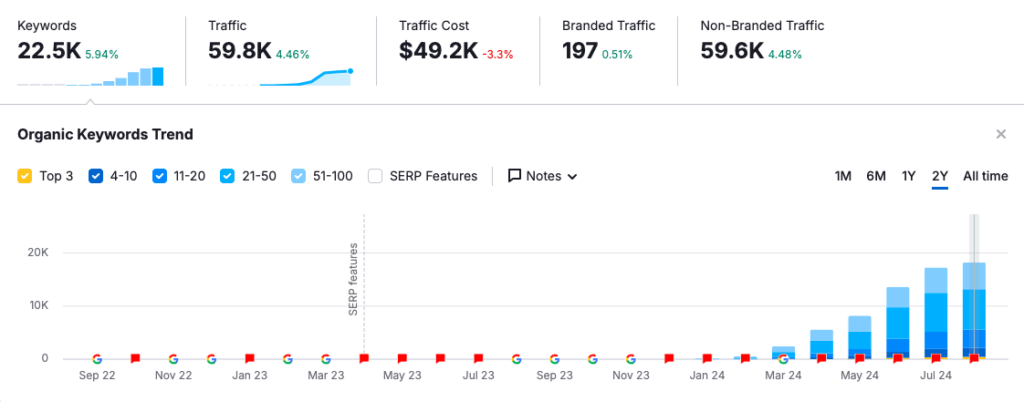
| Month | Monthly Organic Visitors | Growth Progress | Key Driver |
|---|---|---|---|
| February 2024 | < 100 |
|
Baseline – Site audit & strategy built |
| March 2024 | ~900 |
|
Pillar pages indexed, GSC clean-up begins |
| April 2024 | ~6,000 |
|
Cluster content live, on-page optimizations rolled out |
| May 2024 | ~20,000 |
|
Backlink campaign gains traction, keyword gap filled |
| June 2024 | ~45,000 |
|
Top-3 rankings secured for high-intent keywords |
| July 2024 🏆 Peak | 59,800 |
|
2,300+ keywords ranking – zero ad spend |
| Source: Semrush organic traffic data · Digital 6ix SEO Campaign · Feb–Jul 2024 | |||
Case Study Summary
Industry: Local automotive / car cleaning services
Location: Toronto, Canada
Timeline: ~5–6 months
Primary Goal: Drive organic leads without paid advertising
SEO Strategy Used:
SEO focused pillar-cluster content framework
Technical SEO fixes (indexing, crawlability, internal linking)
High-intent keyword mapping for service-based searches
On-page optimization aligned with user intent
Authority-building backlinks from relevant niche sources
Key Results:
59.8K monthly organic visitors
2,300+ ranking keywords, including multiple top-10 positions
Zero spend on paid ads
Noticeable improvement in inbound lead quality
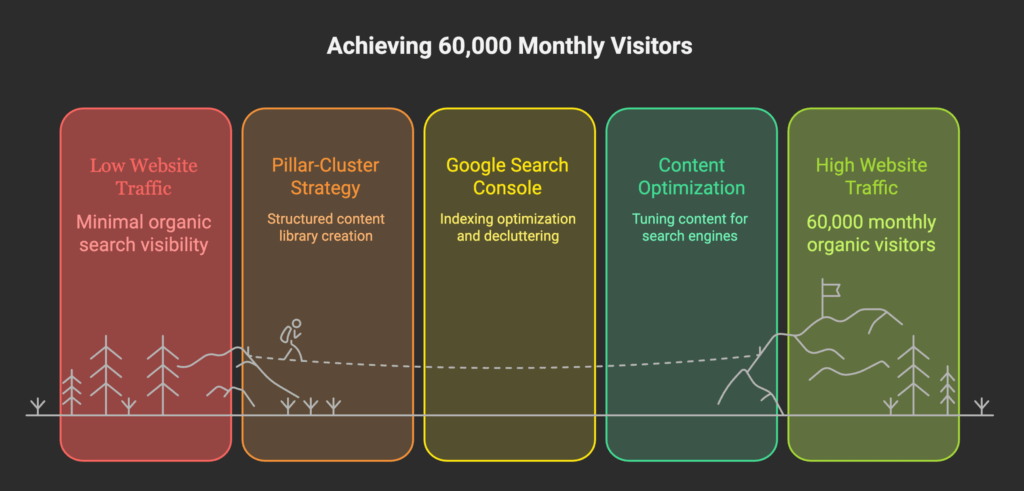
Here’s how the story unfolded, step by step:
1. We started with a Winning Blog Strategy built around the Pillar and Cluster model.
2. Then we cleaned up their presence on Google using Search Console.
3. Next, we optimized every inch of their old and new content.
4. We powered it up with a smart Backlink Strategy.
5. Finally, we studied the competition like a playbook.
Now, let’s walk through each of these step in detail and see exactly how they helped us drive traffic.
1. Winning Blog Strategy based on Cluster and Pillar Model
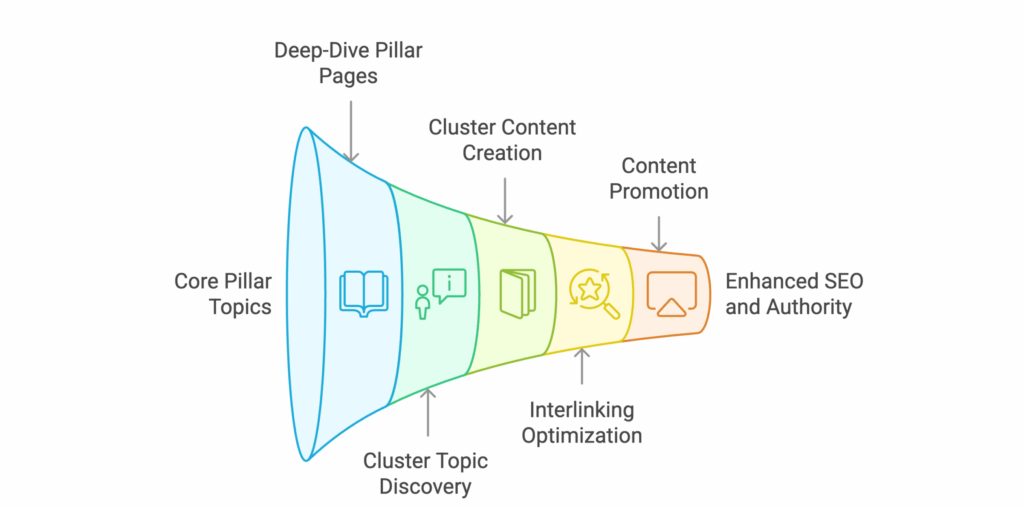
Before we wrote a single word, we needed a plan. Instead of publishing random blogs and hoping something would rank, we built a pillar and cluster content strategy to boost SEO, make the site easier to navigate, and position our client as the authority in car cleaning. We knew this wasn’t just about content, it was about building a Content Ecosystem.
Step 1: Finding the Core Pillar Topics
We started by asking a simple question:
“If someone knew nothing about car cleaning, what big topics would they want to understand first?”
From there, we identified 3-5 core themes with strong search volume and clear business relevance.
For this mobile car cleaning company, the main pillars looked like this:
The Comprehensive Guide to Car Cleaning
The Ultimate Car Maintenance Checklist
Best Practices for Car Detailing
These became our “home bases” that is the big, central topics everything else would eventually connect back to.
Step 2: Creating Deep-Dive Pillar Pages
Once the topics were locked in, we rolled up our sleeves and built long-form, in-depth pillar pages.
Think of each pillar page as the “master guide” on that topic that is the kind of article a user could bookmark and keep coming back to.
For example, for “The Comprehensive Guide to Car Cleaning”, we built a page that covered:
A friendly introduction to car cleaning
Why regular car cleaning matters
Detailed sections on: Exterior cleaning, Interior cleaning and Engine cleaning
Maintenance tips
This pillar didn’t just skim the surface. It set the standard and hinted at deeper articles the reader could explore next.
Step 3: Discovering Cluster Topics with Keyword Research
With our pillar topics in place, it was time to zoom in.
We dove into keyword research and looked for long-tail keywords and specific questions people were actually typing into Google. These became our cluster topics which is smaller, focused articles that would support each pillar.
For the “Comprehensive Guide to Car Cleaning,” some of the cluster keyword ideas included:
“car cleaning tips”
“best car cleaning products”
“how to clean car interior”
“how to clean car seats at home”
Each keyword represented a blog post waiting to be written and an opportunity to answer a real user question.
Step 4: Writing Cluster Content That Connects Back to the Pillar
Next, we started turning those keywords into fully fleshed-out blog posts. Each cluster article went deep into one specific angle, while always pointing users back to the main pillar for the full picture.
For our car cleaning guide, cluster posts included:
How to Choose the Best Car Cleaning Products
Step-by-Step Guide to Cleaning Car Interior
Tips for Cleaning Car Windows and Mirrors
How to Detail Your Car Like a Pro
Every cluster post is linked back to the main pillar page by including internal links to related cluster posts by answering one clear, specific question in detail.
This created a path for the user: pillar → cluster → related cluster → back to pillars.
Step 5: Optimizing Interlinking Like a Web, Not a Line
At this stage, we didn’t just rely on good content instead we made sure everything was connected. We built a strong internal linking structure so that every cluster post linked back to its pillar.
Cluster posts linked to each other where relevant and pillar pages acted as the central hub.
For example, in the blog “How to Choose the Best Car Cleaning Products,” we added a line like:
“For a complete walkthrough of the entire cleaning process, check out our Comprehensive Guide to Car Cleaning.”
This wasn’t just good for users, it was great for SEO. It helped search engines understand which page was the authority and which ones supported it.
Step 6: Analyzing, Learning, and Adjusting
Finally, we treated the strategy as a living system, not a one-time setup. Using tools like Google Analytics and Google Search Console, we watched how each pillar and cluster was performing
Which posts were getting the most page views?
Where were users dropping off?
Which articles were leading to form fills or bookings?
When we saw a pillar page doing well, we doubled down with expanded sections, improved CTAs, and created more cluster posts around it. This iterative loop is what turned a content strategy into a compounding traffic system.
2. Indexing & De-indexing Pages Using Google Search Console
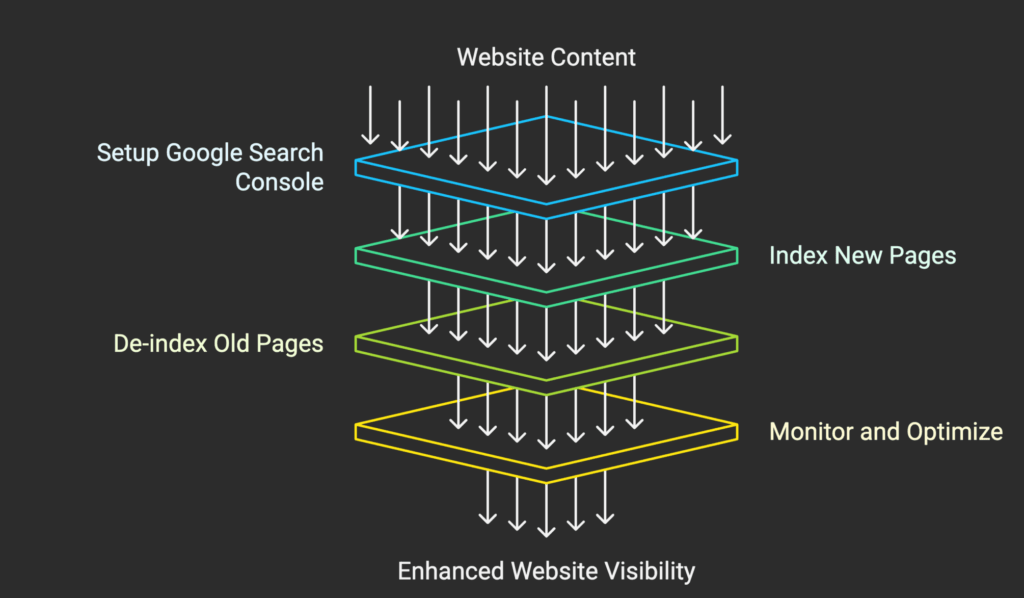
After building a strong content engine, it was time to make sure Google could actually see what we’d created. Think of this step as detailing the engine bay, the technical clean-up that makes everything run smoother.
Our goal was to get the right pages indexed and remove the ones that didn’t belong in our strategy.
Here’s how we did it.
Step 1: Setting Up Google Search Console
Every digital growth story needs data and Google Search Console became our control room. We connected the car cleaning website, verified ownership, and unlocked all the insights we needed about indexing, search performance, and crawl errors.
Step 2: Indexing New Pages
Once new pillar and cluster blogs went live, we made sure they were visible to Google.
Submit URLs for Indexing:
We manually submitted each new blog URL through GSC. This told Google, “Hey, there’s fresh content here, come take a look!”
Monitor Indexing Status
We checked each page’s indexing status. If a page wasn’t indexed, we clicked “Request Indexing” to nudge Google into action.
Create and submit a Sitemap:
We generated a dynamic sitemap that automatically updated as new blogs were added. Submitting it in GSC ensured Google always had a clean, updated list of every page that mattered.
Step 3: De-indexing Old or Irrelevant Pages
Next, we cleaned out the clutter, the pages that no longer served users or diluted SEO strength.
Remove URLs:
In GSC, we used the URL Removal Tool to hide outdated or duplicate pages from search results.
Use robots.txt:
We told search engines which sections to skip, using clear instructions like:User-agent: * Disallow: /page-to-deindex/
Add a No-Index Tag:
For pages that needed to stay live but shouldn’t appear in search, we added:<meta name="robots" content="noindex">
This gently told Google, “Don’t list this one, it’s not for search.”
Step 4: Monitor & Optimize Continuously
Like any well-maintained car, the site needed regular check-ups.
Monitor Performance: We tracked impressions, clicks, and average position to see which pages were driving traffic.
Fix Coverage Issues: When Google flagged crawl errors or broken links, we fixed them immediately.
Enhance Page Experience: We improved load speed, mobile friendliness, and Core Web Vitals to keep users (and search engines) happy.
Google officially confirmed Core Web Vitals as a ranking signal in 2021, making page speed and user experience non-negotiable for competitive SEO.
3. On-Page Optimization for New and Existing Content
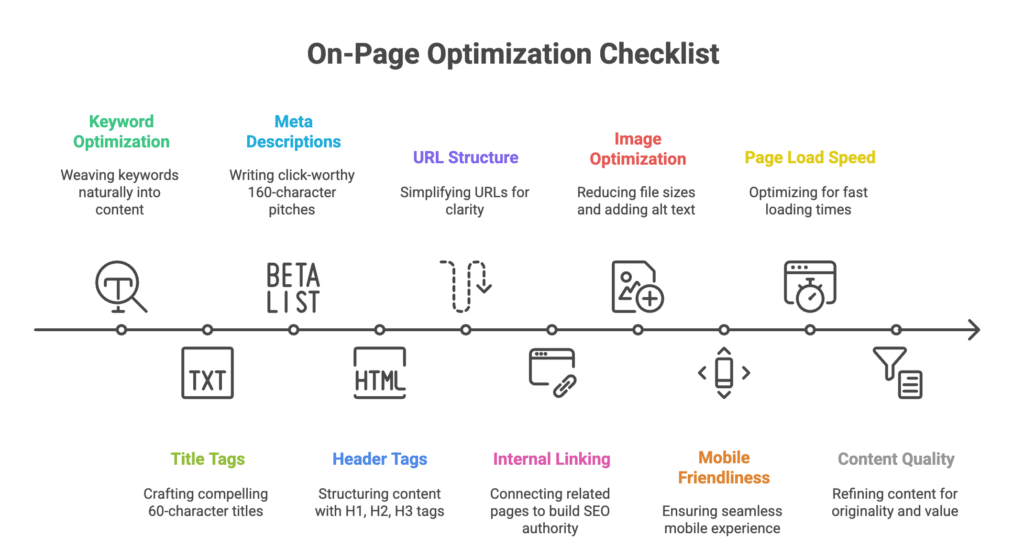
With a clean technical foundation in place, it was time to tune the engine that drives visibility that is On-Page Optimization. This step was all about taking every blog post, every service page, and every line of content and polishing it until it spoke clearly to both Google and real people.
At Digital 6ix, we follow a 10-point on-page optimization checklist in our strategy that help turn ordinary web pages into search-friendly magnets.
1. Keyword Optimization – Speaking Google’s Language Naturally
We began by weaving in primary and secondary keywords throughout titles, headers, and paragraphs. No stuffing, just a natural rhythm that made the content read smoothly while helping Google understand what each page was about.
2. Title Tags – The Digital Billboards
Every page got its own 60-character story that is a sharp, keyword-rich title tag designed to stand out in search results. Instead of generic titles like “Car Cleaning Services,” we used action-driven ones like “Mobile Car Cleaning in Toronto – Shine On-the-Go.”
3. Meta Descriptions – The Click-Worthy Pitch
We treated meta descriptions like micro-ads: 160 characters to win a click. Each one highlighted the value of the page while naturally including target keywords.
4. Header Tags – Structuring the Story
We organized content like a well-written manual: one H1 for the main topic, and clear H2/H3 tags for supporting ideas. This made long blogs easier to scan, improved keyword distribution, and kept readers moving through the page.
5. URL Structure – Clean and Clear
We simplified messy URLs into short, descriptive ones that instantly told users (and Google) what to expect.
For example:example.com/car-cleaning-products → ✅example.com/blog?id=12345 → ❌
6. Internal Linking – Building Bridges
Every page became part of a connected ecosystem. We linked related blogs together, guiding users from one helpful article to another and at the same time, passing SEO authority across the site.
7. Image Optimization – Speed and Accessibility
We reduced file sizes without sacrificing quality and added alt text that described each image with precision. A simple tweak like alt=”mobile car cleaning service van in Toronto” made pages more accessible and SEO-friendly.
8. Mobile Friendliness – Designed for the Modern Driver
Since most visitors came from their phones, we tested everything on mobile: buttons, spacing, load time, readability. We made sure the site looked just as sleek on a 6-inch screen as it did on desktop.
9. Page Load Speed – Because Every Second Counts
A slow page loses visitors faster than a dirty windshield. We compressed files, cached browsers, and used a content delivery network (CDN) to make sure every page loaded lightning-fast.
Google’s own research found that 53% of mobile visitors leave a page that takes more than 3 seconds to load, making speed optimization non-negotiable.
10. Content Quality – The Heart of Everything
Finally, we refined every sentence. We wrote original, valuable, human content that solved real problems, not just for search rankings, but to earn trust, shares, and returning visitors.
4. The Backlink Strategy That Fuelled Growth
With the site fully optimized and performing better on-page, we turned our focus outward to build authority.
Because in SEO, backlinks are like reputation points.
The more trusted sites that link to you, the more Google sees your website as an industry leader.
Ahrefs’ analysis of over one billion pages in 2020 found that 66% have no backlinks at all – meaning the businesses that invest in link building immediately separate themselves from the majority.
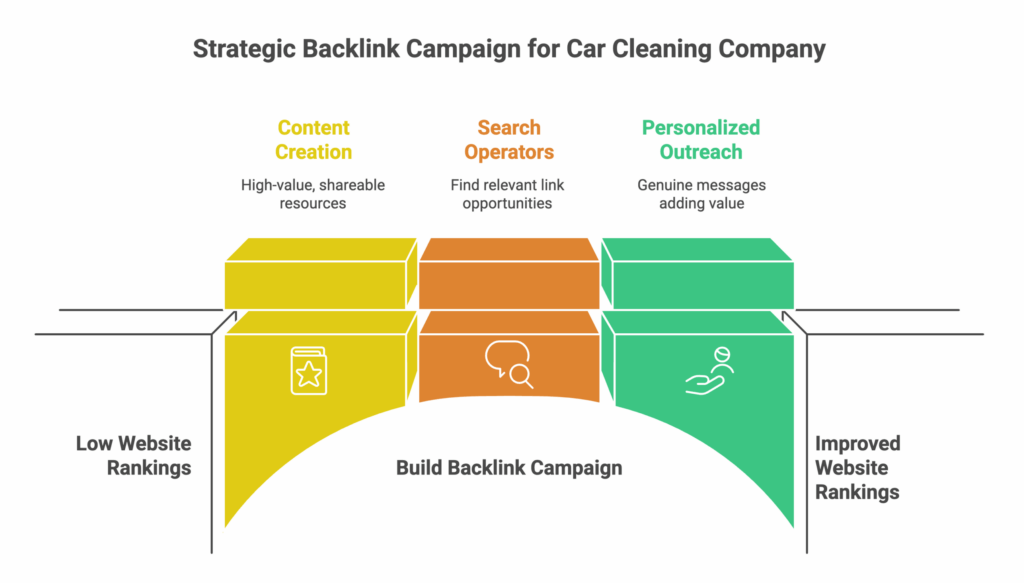
So, to help our client’s car cleaning company climb higher in rankings, we built a strategic backlink campaign as part of SEO services Toronto, powered by great content, smart research, and genuine outreach.
Step 1: Creating Content Worth Linking To
The foundation of any backlink strategy is simple: create something people want to link to. We didn’t chase random links, We earned them by producing high-value, shareable resources:
In-depth guides, like “The Ultimate Guide to Car Detailing”
How-to articles, such as “How to Clean Your Car Like a Pro”
Case studies showcasing real transformations
Infographics that visually broke down car maintenance tips
Videos that brought cleaning techniques to life
These pieces became our linkable assets, so useful that industry blogs, automotive forums, and even local business websites naturally wanted to reference it.
Each new piece of content added another reason for others to say, “Hey, this is worth sharing.”
Step 2: Using Google Search Operators to Find Link Opportunities
Next came the detective work. We used Google Search Operators to find the right websites, those already publishing automotive or cleaning-related content and open to collaborations or guest posts.
Some of our go-to searches looked like this:
“car cleaning””guest post”
“write for us” “car detailing”
“car maintenance” “guest article”
site:.edu “car cleaning tips”
site:.gov “car maintenance guide”
intitle:”car cleaning” inurl:blog
Each query opened doors to new opportunities from blogs, universities, and government resources that aligned with our client’s niche.
This wasn’t random backlinking, It was targeted outreach designed to build credibility within the car care ecosystem.
Step 3: Reaching Out with Purpose
Once we had our list of potential partners, it was time to make the first move. We crafted personalized outreach emails, not spammy blasts, but genuine messages that added value to both sides.
Each email followed a simple but effective framework:
Subject: Collaboration Idea for [Website Name]
Body:
Hi [Name],
I recently came across your article on [Topic] and loved how you explained [specific insight].
I’ve just published a detailed guide on [related topic] that could complement your piece perfectly.
If you’re open to collaborations or resource sharing, I’d love to contribute or get your thoughts.
Best,
[Your Name]
[Your Website Link]
These personalized touches turned cold outreach into real relationships. And slowly, link by link, our client’s website began earning mentions on trusted domains.
Want the complete set of outreach templates? Get in touch with us!
The Result: A Stronger Digital Reputation
As the backlinks rolled in, Google took notice.The car cleaning company’s site authority grew, keyword rankings improved, and referral traffic surged.
More importantly, these weren’t just links but endorsements from across the web, reinforcing that our client’s content was credible, valuable, and worth ranking high.
5. Outsmarting the Competition – Keyword & Backlink Gap Analysis
With strong content and authority-building strategies already in motion, it was time to take things a step further.
To truly dominate search rankings, we had to understand what competitors were doing and then do it better.
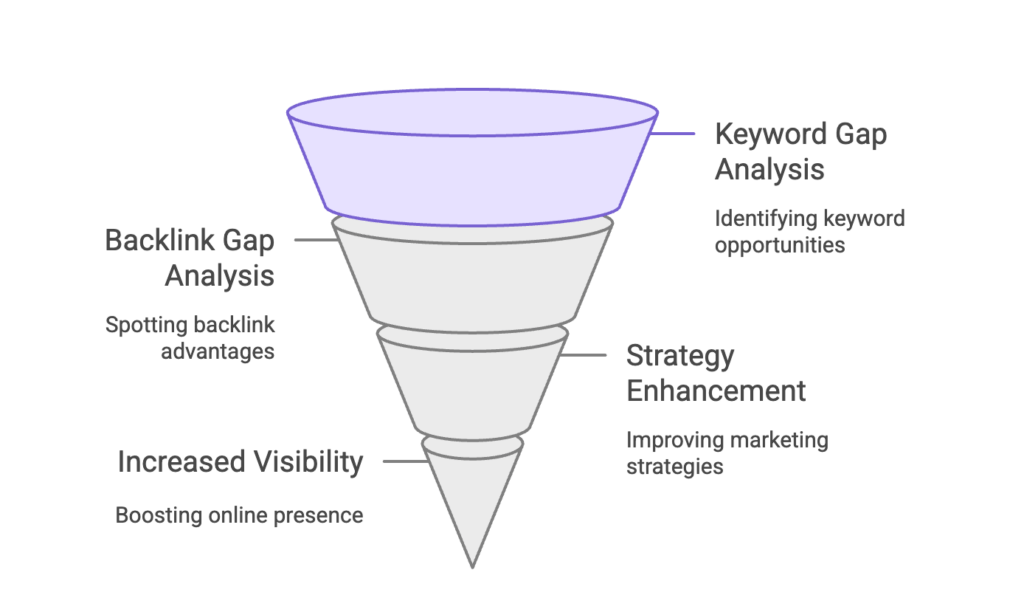
That’s where Keyword Gap Analysis and Backlink Gap Analysis came in.
Think of them as a digital spyglass – tools that helped us spot hidden opportunities our competitors were already benefiting from.
Part 1: Keyword Gap Analysis – Finding Missed Opportunities
We started by uncovering the search terms driving traffic to our competitors that is the keywords that our client’s site wasn’t ranking for yet. Here’s how we did it:
Step 1: Identify Competitors
First, we listed out the main players in the car cleaning space both local businesses competing for “near me” searches and larger national brands with strong SEO footprints.
Step 2: Use a Keyword Research Tool
Using tools like Ahrefs and SEMrush, we compared our client’s website with those competitors.
These tools acted like x-ray scanners, showing us exactly which keywords others were ranking for, and which ones we were missing.
Step 3: Find the Keyword Gaps
Enter your website’s domain.
Enter the domains of your top competitors.
Run the analysis with SEO services.
In seconds, we had a list of keywords competitors ranked for that our site didn’t, an instant map of missed opportunities.
Step 4: Analyze the Results
We looked for high-volume, low-competition keywords that matched our audience’s intent.
The gold lay in phrases like:
“best car cleaning service”
“mobile car detailing near me”
“affordable car wash Toronto”
These weren’t just popular searches, they were phrases potential customers typed right before booking a service.
Step 5: Create Content to Fill the Gaps
Once we had our list, we created fresh, focused content to capture that search traffic. This included:
Blog posts that answered specific questions
New service pages optimized for location-based intent
Step-by-step guides and tutorials to build topical depth
Each new piece helped the site climb one more rung up the SEO ladder.
Part 2: Backlink Gap Analysis – Building Links That Competitors Have
After spotting keyword opportunities, we shifted our focus to backlinks, the invisible web of trust that makes Google Pay attention.
If Keyword Gap Analysis showed us what to say, then Backlink Gap Analysis showed us whom to say it to. We followed the same 5 steps for backlink analysis.
What We Learned / Lessons Applicable To Any Business
What started as a quiet website in February 2024 soon became a story of growth, persistence, and data-driven creativity.
Ahrefs research shows the average top-10 result is over two years old, which makes reaching 59.8K visitors in six months a genuinely exceptional result.
Within months, organic traffic began to climb steadily. Blog pages that once sat on page 5 of Google were now ranking in the top 10.
And most importantly, those visitors weren’t just browsing, they were booking real car cleaning appointments, turning website traffic into measurable business growth.
What Made It Work
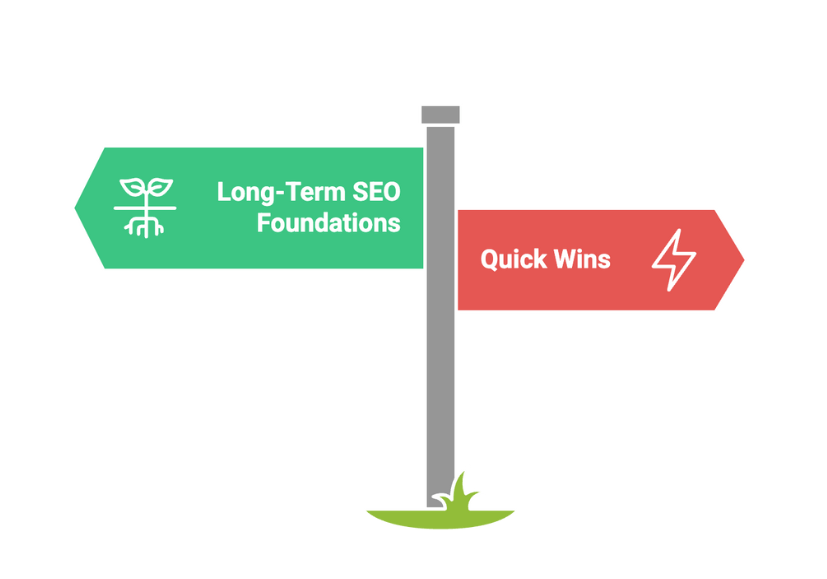
Strategy over shortcuts:
The focus stayed on building long-term SEO foundations that is content, structure, and authority.
Consistency over complexity:
Every week, something was refined, a keyword adjusted, a title improved, a page re-optimized. The magic wasn’t in massive overhauls, but in continuous, focused improvement.
Quality over quantity:
Instead of flooding the site with content, we built the right pages that is the ones that answered real questions, solved real problems, and earned real trust.
Why Businesses Choose Digital 6ix for SEO services Toronto
This journey wasn’t luck, it was the result of method, mindset, and storytelling. We believe great marketing is about more than algorithms and analytics.
It’s about telling a story that connects. Whether it’s a local car cleaning business or a national brand, our goal remains the same: to build digital ecosystems that grow steadily, organically, and sustainably.
Your Turn
If you’re a business owner reading this and wondering how to grow your website traffic – remember this story.
Every brand has a road to 59.8K. It just takes the right map, the right strategy, and the right team to drive it.
This Blog is Written by Simar Singh. He is the founder of Digital 6ix and a data-driven storyteller with 7+ years of experience helping Toronto businesses grow through performance-led digital strategies. Certified in Google Analytics and Google Search Console, with a strong focus on turning insights into measurable business outcomes.
SEO services Toronto
Frequently Asked Questions
How long does it take for SEO services to show results?
For most Toronto small businesses, noticeable SEO results start appearing within 3–6 months. In this car cleaning case study, Digital 6ix helped the client reach 59.8K monthly visitors in under six months, all through organic growth – no ads.
What’s the most effective SEO strategy for small businesses in Toronto?
The most effective strategy combines local SEO optimization, a pillar-cluster content structure, and consistent on-page and backlink improvements. Together, they build authority, boost search visibility, and drive targeted leads.
Why is content marketing important for local service businesses like car cleaning companies?
Content marketing helps local businesses rank for the exact questions customers are asking on Google. By creating detailed guides, blogs, and FAQs, your site becomes the go-to resource, leading to higher organic traffic and trust from nearby customers.
Can SEO really work without running Google Ads?
Yes. As this case study proves, SEO can generate tens of thousands of visitors organically when executed strategically. While ads stop the moment you pause them, SEO keeps driving leads and traffic long-term, making it a smarter investment for sustainable growth.
How does Digital 6ix help small businesses grow through SEO Strategy?
At Digital 6ix, we design data-driven, story-based SEO strategies. From keyword and competitor research to technical clean-ups, content creation, and backlink building, we help local Toronto businesses grow visibility, authority, and conversions.
How can I get started with SEO for my small business in Toronto?
You can book a free virtual consultation with the Digital 6ix SEO team. We’ll analyze your current visibility, identify quick-win opportunities, and create a roadmap tailored to your industry, whether you’re a car cleaning company, café, spa, or realtor.
fantastic issues altogether, you just received a emblem new reader.
What may you recommend in regards to your
put up that you simply made a few days ago? Any certain?
Norbert Performance
Wow, that’s what I was searching for, what a material!
existing here at this web site, thanks admin of this web page.
I do not even know how I ended up here but I thought this post was great I dont know who you are but definitely youre going to a famous blogger if you arent already Cheers
Your writing has a way of resonating with me on a deep level. I appreciate the honesty and authenticity you bring to every post. Thank you for sharing your journey with us.
continuously i used to rdad smaller articles which also clear their motive, and that is also happening
with this post which I am reading at this place. http://onolearn.co.il/jono/profile/rositas01161652/
I do agree with all of the ideas you have introduced
on your post. They’re very convincing and will definitely work.
Nonetheless, the posts are too short for novices. Could yoou please exctend them a
littlle from next time? Thanks for the post. https://ttzhan.com/thread-6176-1-1.html