
Read Time:

5–8 minutes

Modified Date:

Why Even the Greatest Marketing Can’t Sell a Bad Product?

No amount of marketing can sustainably sell a bad product. Strong campaigns may drive short-term attention or first-time purchases, but long-term success depends on product quality, customer experience, and trust.

Even the best marketing in the world can’t turn a bad product into a bestseller – it’s like you can dress it up, but you can’t change what it is underneath.

Sure, flashy ads and celebrity endorsements might get people to buy once, but if the product stinks, customers won’t come back. Bad reviews spread faster than a viral TikTok.

Diagram of an iceberg showing Marketing above water, with Product Quality and Customer Satisfaction below, indicating hidden issues like product flaws and negative customer reviews under promotional efforts depicting even Great Marketing Can’t Sell a Bad Product

Why Did Bud Light’s Marketing Campaign Fail in 2023?

Marketing Can’t Sell a Bad Product
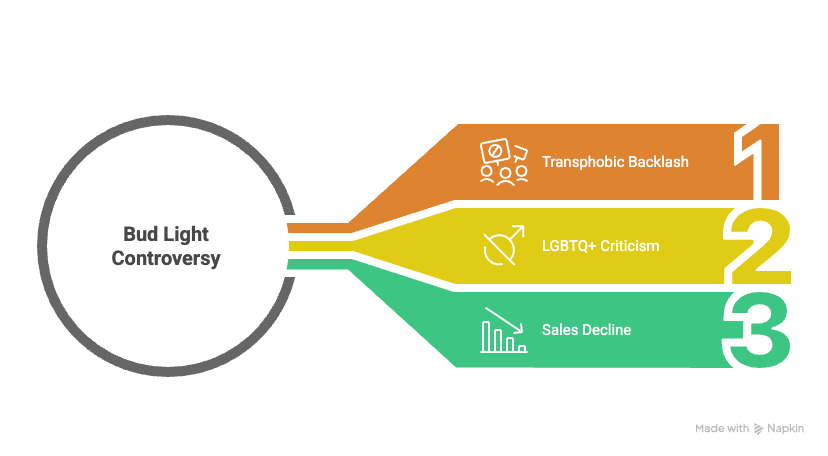
Infographic showing the Bud Light Controversy leading to three outcomes: 1) Transphobic Backlash, 2) LGBTQ+ Criticism, and 3) Sales Decline, each represented by colored arrows and icons.


In 2023, Bud Light partnered with transgender TikTok creator Dylan Mulvaney for a promotional campaign.

The backlash came from both sides:
Conservative audiences called for a boycott.
LGBTQ+ communities criticized the brand for failing clearly to support the creator once the controversy escalated.

The result was a significant decline in sales and long-term brand damage.

What went wrong:
The campaign exposed a disconnect between brand messaging, audience expectations, and values.

Key lesson:
Even well-intentioned marketing fails when brands are unclear about who they stand for and why.
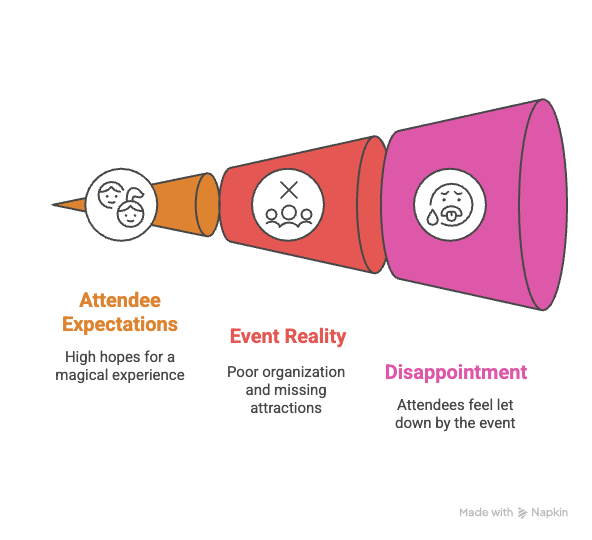
A funnel diagram with three stages: Attendee Expectations (smiling faces), Event Reality (unhappy faces), and Disappointment (crying face). Each stage includes brief descriptive text.


The “Wonka Experience” was marketed as a fully immersive, candy-filled adventure inspired by Willy Wonka.

What attendees actually experienced:
Poor organization
Empty rooms and unfinished sets
Almost none of what was advertised

Photos and videos from the event quickly went viral, turning the campaign into a public relations disaster.

What went wrong:
The experience did not match the promise.

Key lesson:
When marketing overpromises and execution underdelivers, backlash is immediate and permanent.

Even the Greatest Marketing Can’t Sell a Bad Product

Why Did the Samsung Galaxy Note 7 Fail Despite Heavy Marketing?
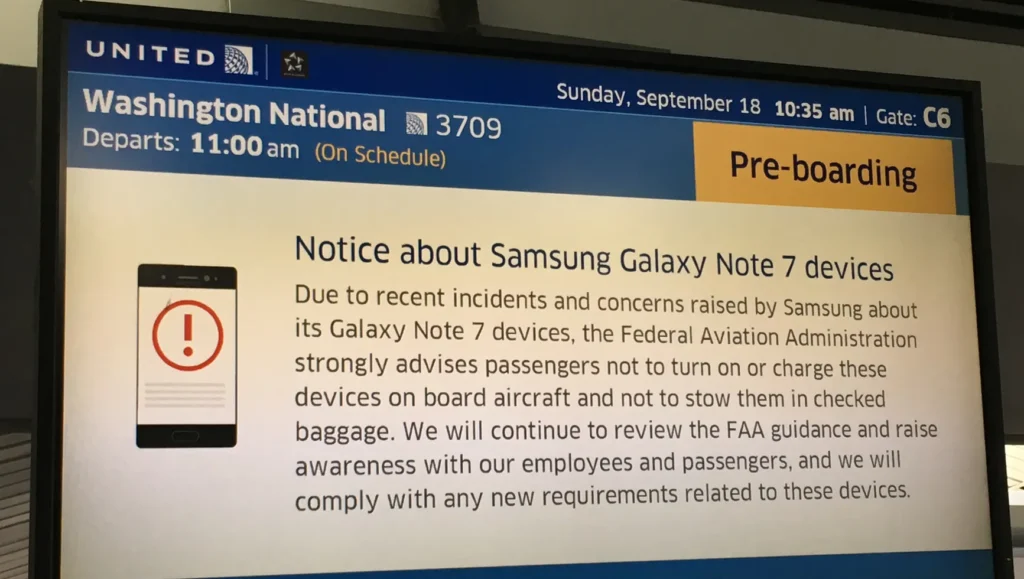
An airport gate display shows a pre-boarding notice warning passengers not to turn on or charge Samsung Galaxy Note 7 devices due to safety concerns, with a flight to Washington National at 11:00 am on September 18.


In 2016, Samsung launched the Galaxy Note 7 with one of the biggest marketing pushes in smartphone history.

Soon after launch:
Devices overheated and caught fire
Airlines banned the phone
A global recall followed

Samsung eventually discontinued the product entirely.

What went wrong:
A critical product flaw outweighed every marketing dollar spent.

Key lesson:
Marketing cannot fix safety issues, quality defects, or engineering failures.

Marketing Can’t Sell a Bad Product

Why Can’t Marketing Sell a Bad Product eventually?


It’s like wrapping a rotten apple in gold foil. People might bite once, but they won’t come back for seconds!

Short-Term Wins, Long-Term Losses


A flashy ad campaign or influencer endorsement might convince people to buy a bad product once. But what happens next? Disappointed customers leave bad reviews, demand refunds, and never come back. No amount of marketing can undo a bad user experience.

Word-of-Mouth Is Powerful

People trust other people more than they trust ads. If a product is low quality, word will spread quickly. Social media and review platforms like Yelp, Trustpilot, and Amazon make it easier than ever for customers to share their experiences.

Retention Matters More Than Acquisition


It costs far more to acquire a new customer than to keep an existing one. A bad product leads to high churn, meaning businesses have to constantly replace unhappy customers with new ones, which is an expensive and unsustainable cycle.

Trust Is Hard to Rebuild


Once a brand gets a bad reputation, it’s tough to recover. Even if the company improves the product later, the damage is already done. Customers are wary of being burned twice.

Marketing Works Best When It Amplifies Value

The best marketing strategies don’t try to trick people into buying something bad, instead they highlight what’s already great about a product. When a product is genuinely valuable, marketing helps it reach the right audience and builds long-term success.
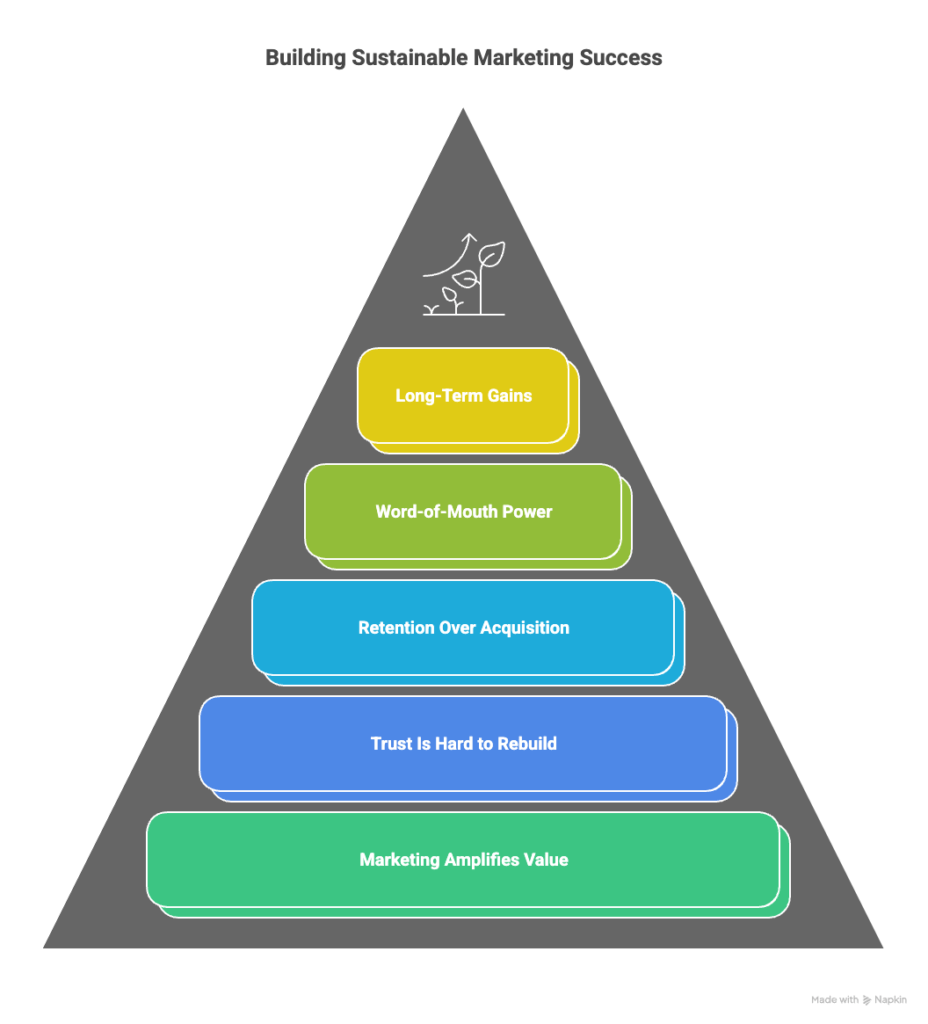
A pyramid diagram titled Building Sustainable Marketing Success with five stacked layers: Long-Term Gains, Word-of-Mouth Power, Retention Over Acquisition, Trust Is Hard to Rebuild, and Marketing Amplifies Value.

Key Takeaways: Marketing vs Product Quality

Marketing is a powerful tool, but it’s not a substitute for quality. If you want lasting success, focus on creating a great product first, then let marketing do its job of amplifying its strengths.

What do you think? Have you ever been drawn in by great marketing only to be let down by the actual product? Share your thoughts in the comments!

Build great products. Market them well. Win eventually.

Even the Greatest Marketing Can’t Sell a Bad Product

Frequently Asked Questions

Leave a Comment

Your email address will not be published. Required fields are marked *