
Read Time:
Modified Date:
How Toronto Small Businesses Can Turn TIFF, Caribana, and Raptors Season Into Their Best Revenue Months
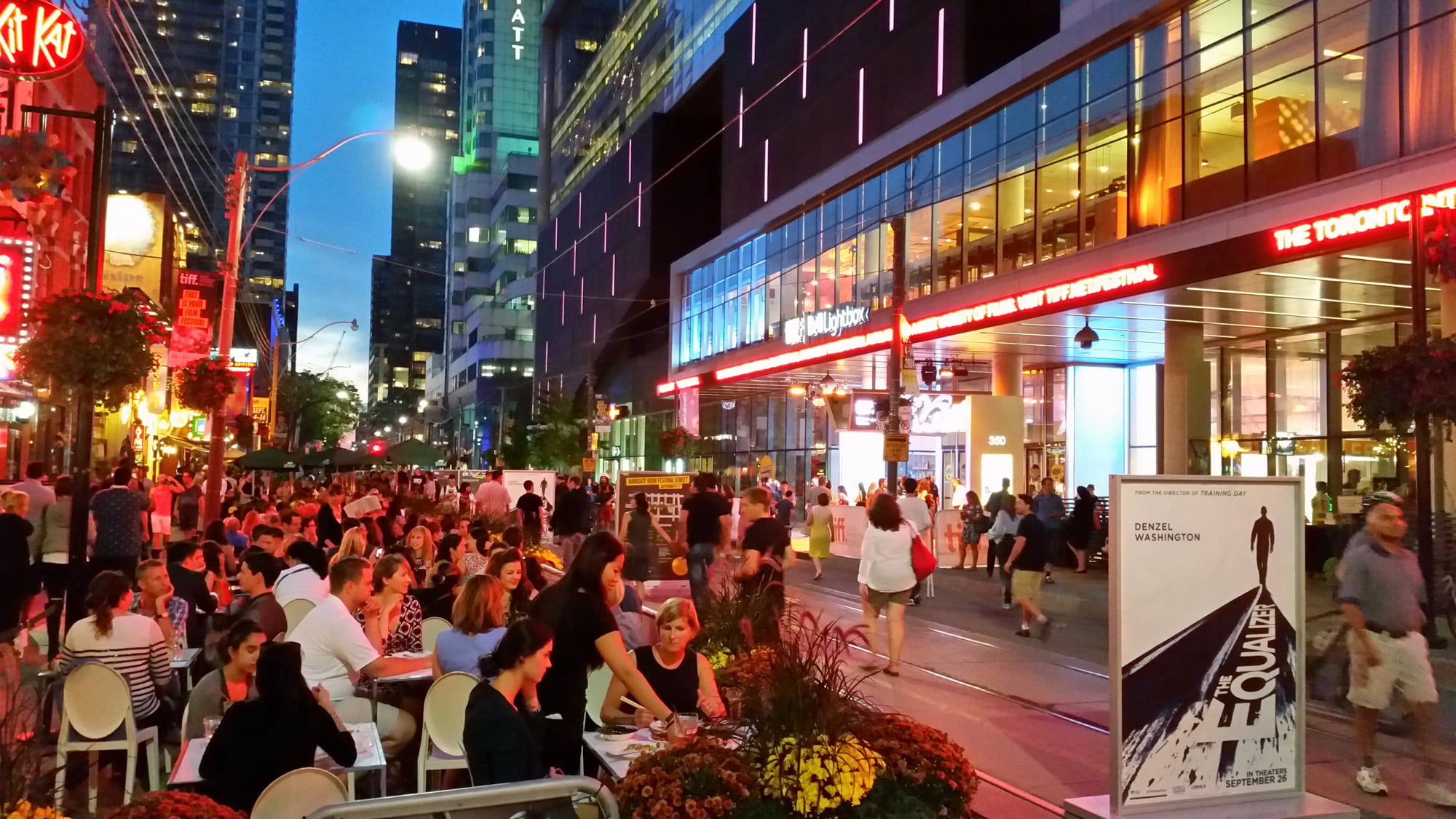
Toronto welcomes over 28 million visitors annually, with TIFF, Caribana, and Raptors season driving concentrated surges of foot traffic and spending to specific neighbourhoods. For small businesses near these corridors, the revenue opportunity is real. CBC has reported that some restaurants near TIFF’s Entertainment District hub see revenue increases of up to 30% during peak event periods.
The problem is that most local businesses either skip event marketing entirely or start too late. By the time they post something, the crowds have already picked their spots. This guide walks you through the timing, local SEO tactics, paid advertising strategies, and website prep that can help you actually capture that revenue instead of watching it walk past your door.

TL;DR:
Toronto’s major events bring predictable waves of foot traffic and local search activity to specific neighbourhoods. Businesses that get a head start, ideally 2 to 3 months before each event, tend to come out ahead. The basics: keep your Google Business Profile updated with event-relevant keywords, run geo-targeted ads close to venues, and make sure your site loads quickly on mobile. Shops and restaurants in the right corridors often see up to 30% more revenue during peak periods. Beyond the short-term spike, showing up consistently at these events builds the kind of local reputation that keeps people coming back long after the festival is over.
- Why Toronto's Biggest Events Are Marketing Opportunities for Toronto Small Businesses
- When to Start Marketing for Each Major Toronto Event
- Local SEO Tactics to Capture Toronto Event Search Traffic
- Paid Advertising Strategies for Toronto Event Season
- Social Media Marketing Tactics to Reach Event Crowds
- How to Prepare Your Website for Toronto Event Traffic Surges
- How to Track Marketing ROI During Major Toronto Events
- What Toronto Small Businesses Lose by Skipping Event Marketing
- Building a Year-Round Marketing System for Toronto Events
Why Toronto’s Biggest Events Are Marketing Opportunities for Toronto Small Businesses
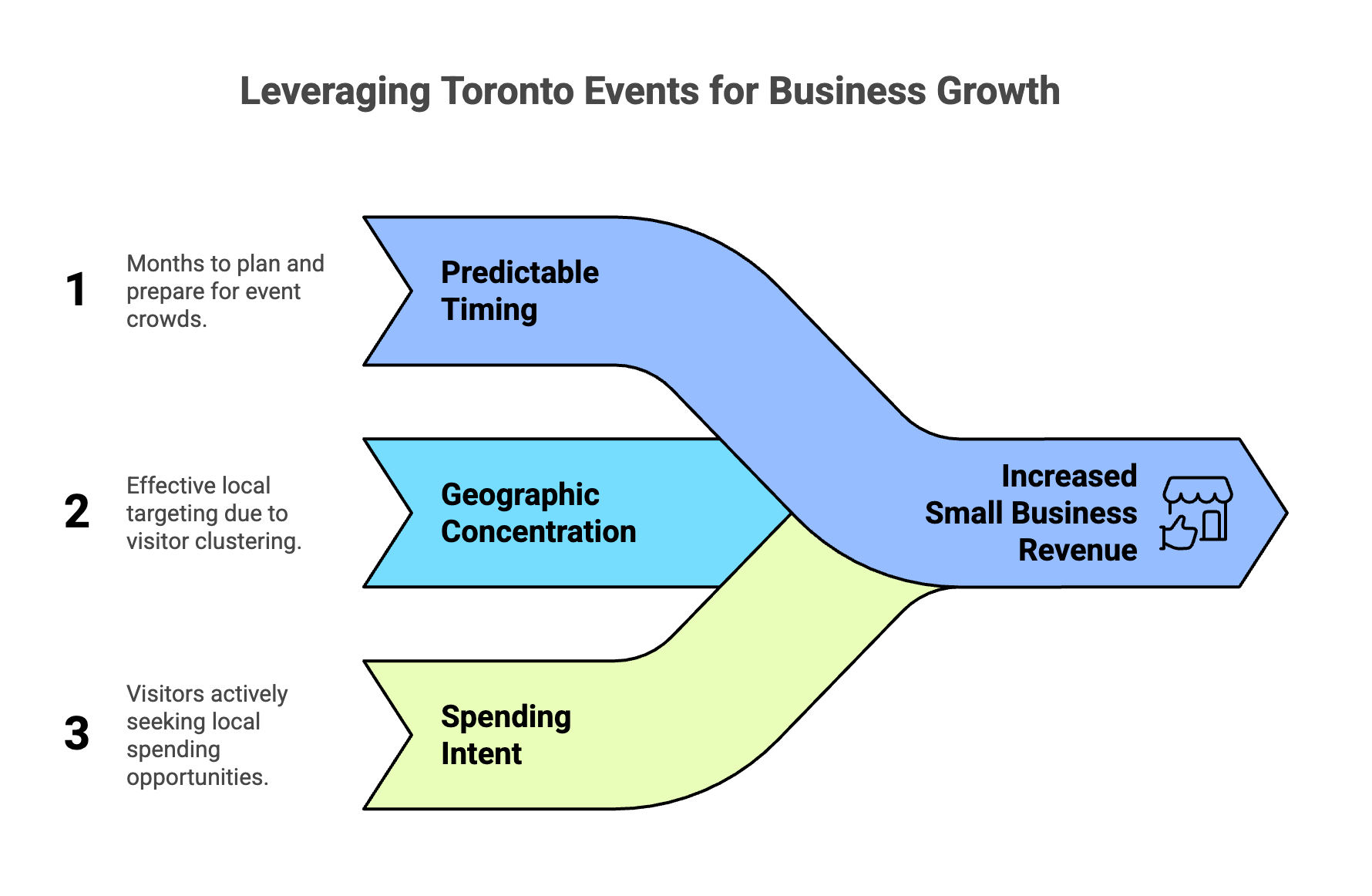
These events are not just good for the city. They are good for your business, if you are ready for them. TIFF brings over 700,000 guests, including film industry professionals and tourists, to the Entertainment District every September. Caribana draws over one million visitors to the waterfront and west-end corridors in late July and early August. Raptors season brings recurring game-day crowds downtown from October through April, and often into June during playoff runs.
Three things make these events worth building a marketing plan around:
The pattern repeats every year. You have the advance notice. The question is whether you use it.
When to Start Marketing for Each Major Toronto Event
Most businesses wait too long. They post something the week before an event and wonder why it did not gain traction. The truth is that search interest and planning behaviour start weeks or even months before the event itself. Getting in early, when fewer competitors are bidding for attention, is one of the most underrated advantages a small business can have.
TIFF Marketing Preparation Timeline
TIFF runs in early September. If you want your local SEO and content to have any traction by then, start in late May or June. That gives you time to update your Google Business Profile, build event-themed landing pages, and get social content scheduled before search volume picks up in late August.
Caribana Marketing Preparation Timeline
Caribana runs in late July and early August. Starting your outreach and ad planning in April or May gives you a real shot at aligning with the festival’s cultural energy in a way that feels thoughtful. Rushed Caribana marketing tends to miss the mark entirely. Give yourself the runway to do it right.
Raptors Season Marketing Preparation Timeline
The NBA season runs October through April, with playoffs stretching into June. Think of Raptors season less like a single event and more like a long campaign. Game-day promotions refreshed throughout the winter keep your business on fans’ radar across many months, not just for opening night.
Toronto Events & Marketing Timeline
| Event | Typical Timing | When to Start Marketing | Key Neighbourhoods |
|---|---|---|---|
| TIFF | Early September | Late May / June | Entertainment District, King West |
| Caribana | Late July / Early August | April / May | Waterfront, Parkdale, West End |
| Raptors Season | October to April (June with playoffs) | September, then ongoing | Downtown, Scotiabank Arena area |
Local SEO Tactics to Capture Toronto Event Search Traffic
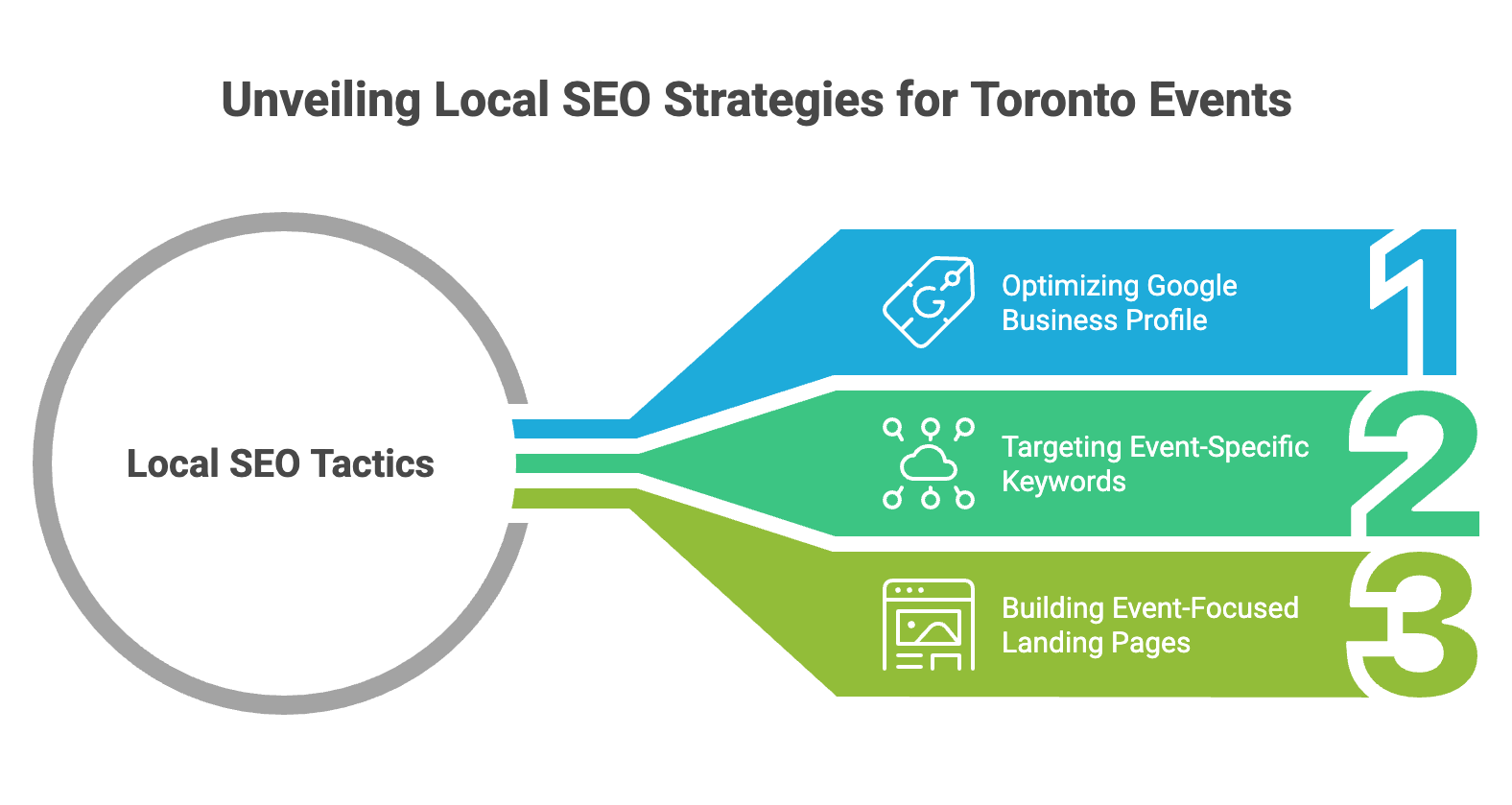
Local SEO is about making sure your business shows up when someone nearby is searching for what you offer. When a visitor types “restaurants near Scotiabank Arena” or “coffee near TIFF” into their phone, local SEO determines whether you appear. Event attendees make searches like this constantly, usually while they are already out and walking between venues.
Optimizing Your Google Business Profile for Event Searches
Your Google Business Profile is often the first impression a visitor gets. Birdeye’s 2025 study found that 86% of Google Business Profile views come from discovery searches, meaning people who did not already know your business by name.
To show up for these visitors, update your business description with event-relevant keywords, post about any special offers or extended hours, and make sure your photos are current. If you are staying open late during TIFF or running a Raptors game-day special, that information needs to be visible where people are searching.
Targeting Event-Specific Keywords in Toronto
Long-tail keywords are longer, more specific phrases that signal high intent. Think “dinner near TIFF Bell Lightbox,” “bars open late during Raptors games,” or “brunch spots near Caribana parade route.”
Work these phrases naturally into your website content, page titles, and meta descriptions so that search engines start connecting your business to what event visitors are actively looking for.
Building Event-Focused Local Landing Pages
A dedicated landing page for each event gives search engines something concrete to rank and gives visitors a clear path to action. Include relevant keywords, your location relative to the venue, and one clear call to action such as booking a table, scheduling an appointment, or getting directions.
Keep each page focused on one event. A cafe near the Bell Lightbox, for example, might create a page built around “coffee near TIFF” with its hours, a simple menu summary, and a click-to-call button. Simple works well here.
Paid Advertising Strategies for Toronto Event Season
If you want to reach event audiences quickly and with precision, paid advertising is the most direct route. Two tactics are especially useful: geo-targeting, which limits your ads to people in a specific area, and retargeting, which follows up with people who already visited your site.
Google Ads Geo-Targeting Near Event Venues
Geo-targeting lets you draw a radius around a location like Scotiabank Arena, the Metro Toronto Convention Centre, or Lakeshore Boulevard during Caribana, and show ads only to people searching within that zone. Pair that with a smart bid strategy during high-traffic periods and you can get strong visibility right when search volume is at its peak.
Meta and TikTok Campaigns for Event Audiences
Both Meta and TikTok Ads let you target by location and interest. Generic ads tend to get ignored during events. Creative that feels tied to the moment performs much better. Film-themed visuals resonate with TIFF crowds. Game-day energy and team colours work for Raptors fans. Rich, celebratory imagery fits Caribana. The closer your creative feels to what people are already experiencing, the better it tends to do.
Retargeting Event Visitors After the Crowds Leave
Not everyone who finds you during an event will convert right away. Retargeting lets you follow up with people who visited your site but did not take action. Someone who browsed your menu during TIFF but did not book can see your ad again the following week. This is often where the strongest cost-per-acquisition numbers come from, because you are reaching people who already showed some interest in what you offer.
Social Media Marketing Tactics to Reach Event Crowds
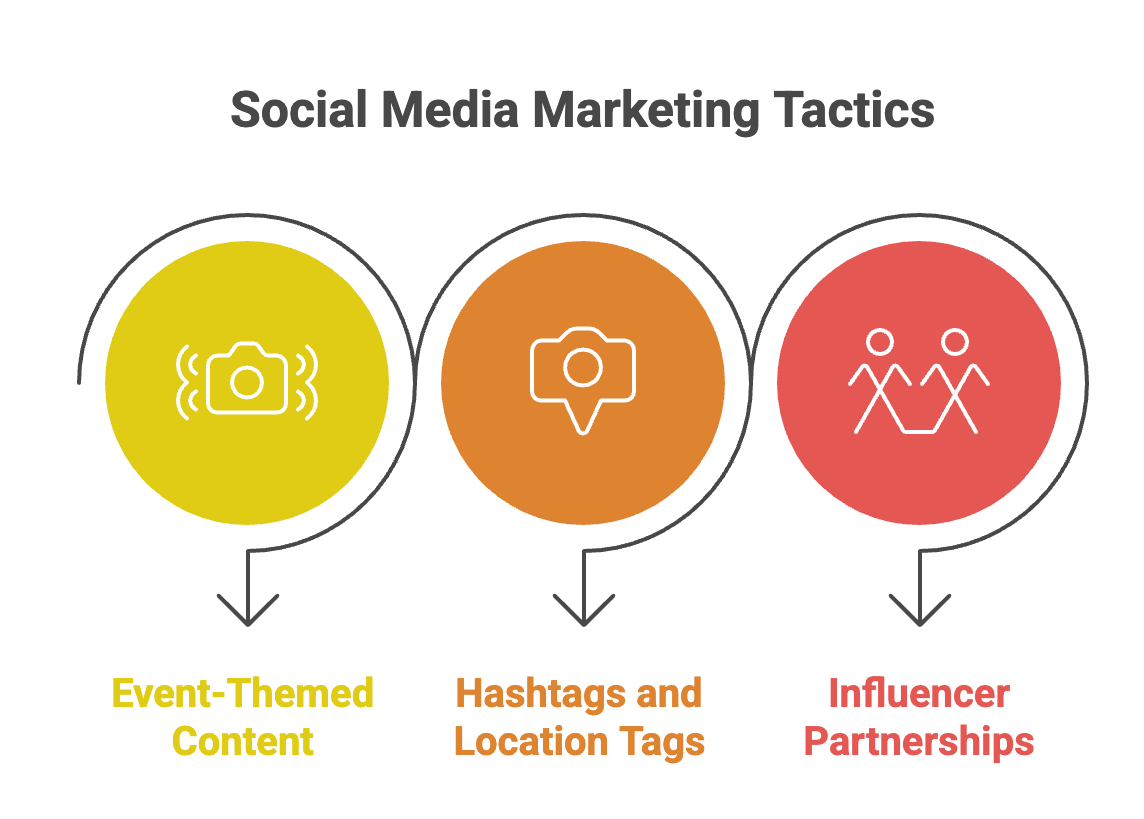
Organic social media works alongside paid efforts, but it requires a bit more thought. People scroll quickly during events. If your post looks like a generic ad, it gets ignored. Content that actually connects with the event tends to get shared, saved, and remembered.
Creating Event-Themed Content That Gets Shared
Think about what people actually want to see and share during these events, not just what you want to promote. A restaurant near the Lightbox that posts a “where to eat between TIFF screenings” guide is giving people something genuinely useful. That kind of post travels further and sticks longer than a simple “we are open late” announcement.
Using Event Hashtags and Location Tags Effectively
Do your hashtag research before each event, not the morning of. Monitor what is trending and use those tags while the event is live. Location tags on Instagram and TikTok help people discover you while they are actively exploring the city. Pairing a strong location tag with the right event hashtags puts your content in front of people who are nearby and looking for something to do.
Partnering With Toronto Influencers During Major Events
Bigger is not always better when it comes to influencers. A Toronto food creator with 8,000 genuinely engaged local followers will often drive more actual reservations than a lifestyle account with 80,000 followers spread across the continent. Look for creators whose audience matches the event you are targeting. Check their engagement rates, not just their follower counts, and make sure their content style fits your brand before reaching out.
How to Prepare Your Website for Toronto Event Traffic Surges
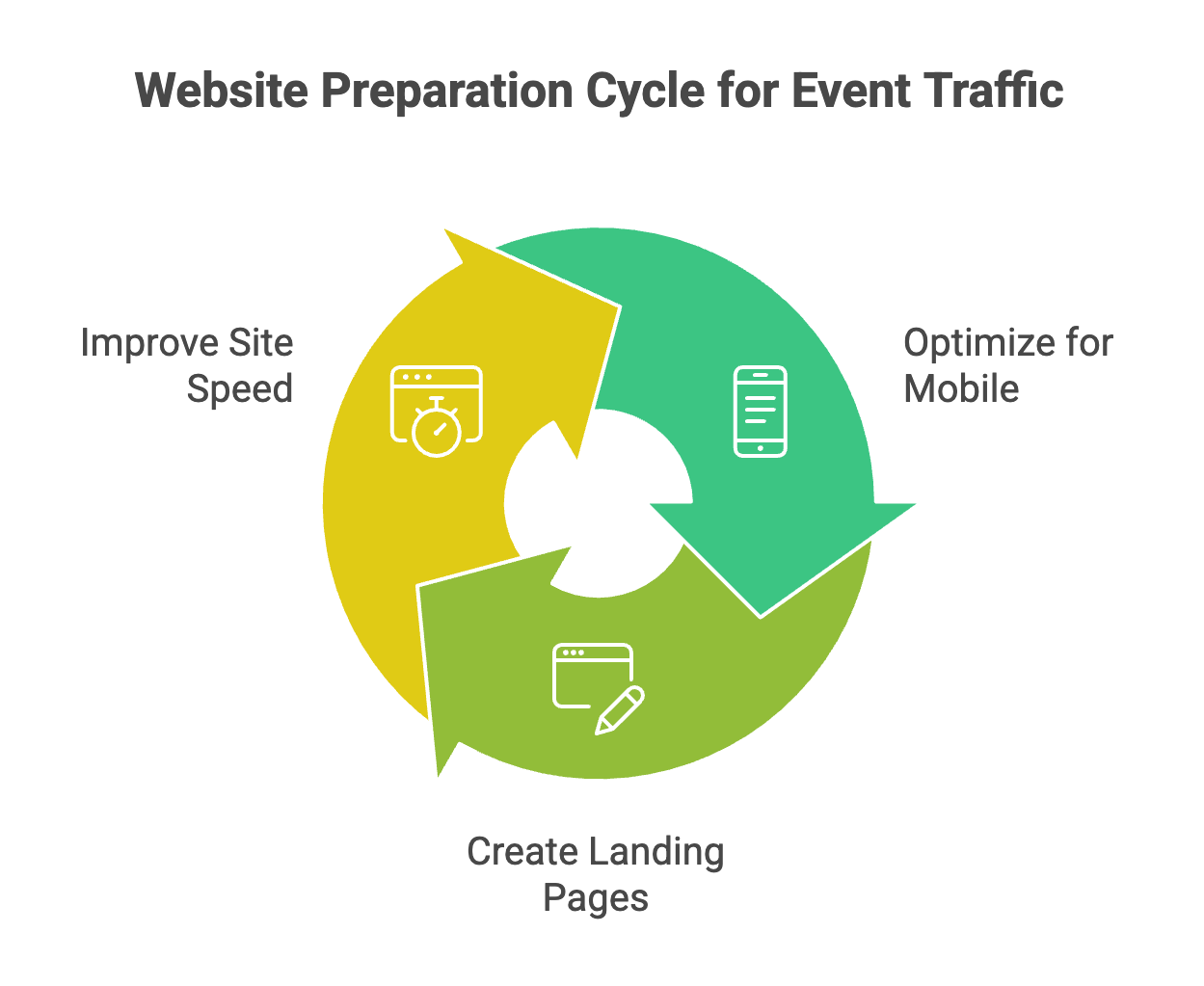
Events send sudden waves of traffic to local business websites. If your site is slow or hard to use on a phone, you will lose people at exactly the moment they are most likely to become customers.
Mobile Optimization for On-the-Go Attendees
The majority of event attendees are searching on their phones. 76% of people who do a local search visit a business within a day. Check your mobile usability before events, simplify your navigation, and confirm that click-to-call works. When someone searching “best tacos near Scotiabank Arena” lands on your site, they want to call or get directions right away. If they have to zoom in to find your phone number, you have probably already lost them.
Creating High-Converting Event Landing Pages
A good event landing page does not try to do everything. It has a clear offer, a direct call to action, and nothing to distract from both. Connect it to your ad campaigns so you can see which ads are actually bringing in customers versus which ones are just generating clicks. A page that says “Book your spot for game night” will outperform a generic homepage almost every time.
Site Speed and Performance for Peak Traffic
Core Web Vitals are Google’s way of measuring how well your site performs for real users, covering load speed, responsiveness, and visual stability. Run your site through Google PageSpeed Insights well before an event so you have time to fix whatever needs fixing. A five-second load time loses visitors before they even see what you are offering. Try to get under two seconds on mobile.
How to Track Marketing ROI During Major Toronto Events
If you are not measuring, you are guessing. And if you are guessing, you have no way to improve next year. A few simple tracking habits make a big difference in how much you learn from each event campaign.
Key performance Indicators for Event Campaigns
The metrics that matter most will depend on your goals, but these four apply to almost every event campaign:
Tracking Foot Traffic and Online Conversions
Connecting online campaigns to offline results takes a little setup but is well worth it. Unique promo codes, QR codes on printed materials, and simply asking customers how they found you are all practical ways to attribute revenue to specific efforts. Google Analytics and call tracking tools give you a fuller picture and make it much easier to justify your marketing spend when planning for the next event.
Calculating Your Event Marketing Return
At the end of each event period, compare the revenue you can trace back to your campaigns against what you spent. Write down what worked and what did not while the details are still fresh. The lessons from TIFF should shape how you approach Caribana, and both should inform your Raptors season planning. Over time, this builds into a real competitive advantage.
What Toronto Small Businesses Lose by Skipping Event Marketing
Sitting out has a cost that is easy to underestimate. Every year you skip, your competitors are building familiarity with event audiences. They are getting the search traffic, the social mentions, and the word of mouth. By the time you decide to get involved, you are starting behind businesses that have been showing up consistently for years.
It is not only about the revenue you miss during the event itself. It is about the people who find a competitor instead of you and who keep going back to that competitor long after the festival is over. Visibility during major events is one of the most effective ways a small business can build lasting local recognition.
Building a Year-Round Marketing System for Toronto Events
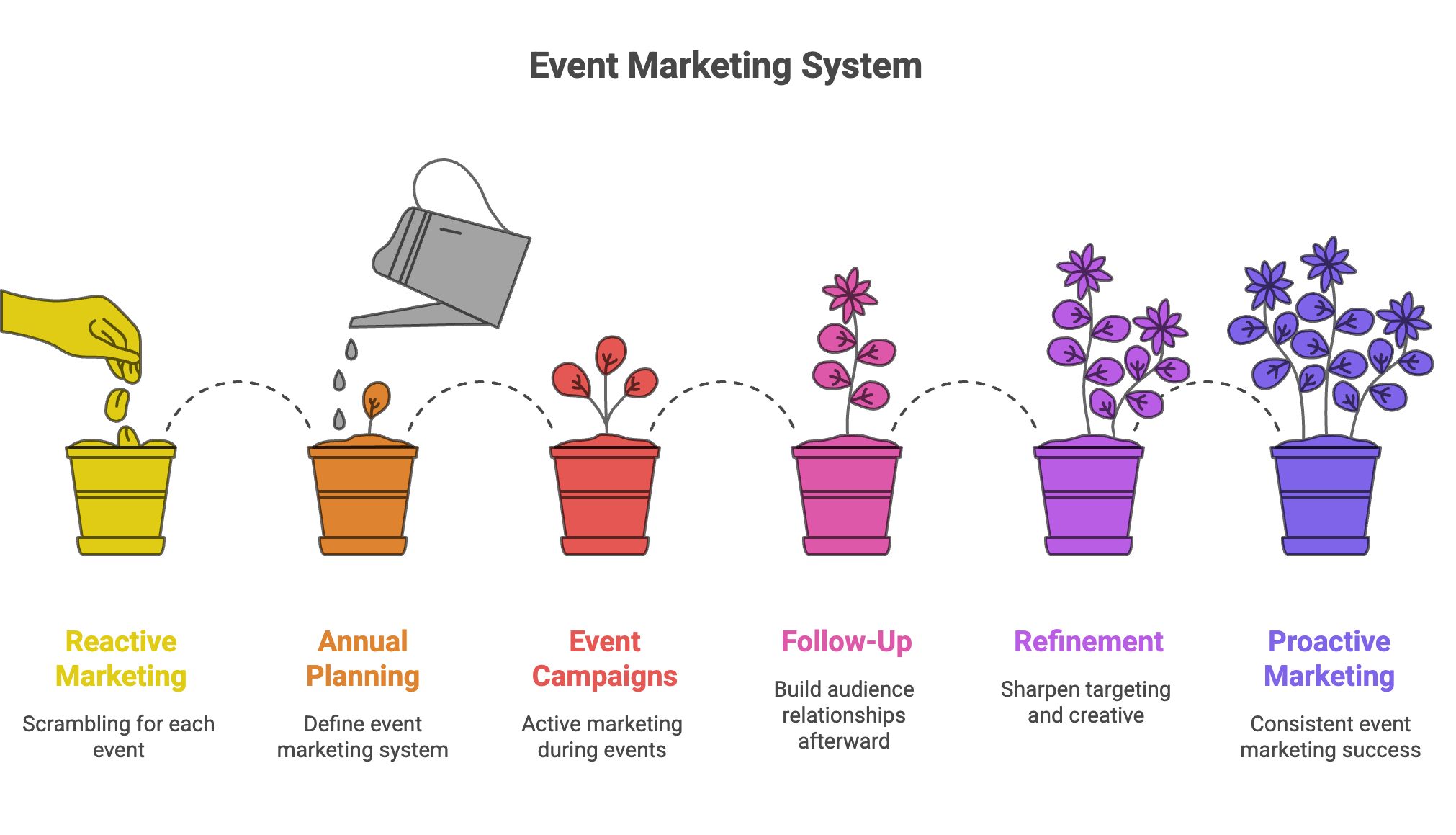
The businesses that consistently benefit from Toronto’s event calendar are not scrambling every few months. They treat event marketing as a system with a clear annual rhythm: preparation phases, active campaigns during events, and follow-up built in afterward.
Each year, you refine your targeting, sharpen your creative, and strengthen the audience relationships you have already built. The work you put into TIFF informs your Caribana approach. Both feed into how you handle Raptors season. The whole thing compounds, and each cycle becomes a little more efficient and a little more effective than the last.
Want help putting a system like this together? Digital 6ix works with Toronto small businesses to build ROI-driven marketing strategies that turn major events into real, measurable growth. Get in touch.
This Blog is written by Simar Singh, Founder of Digital 6ix and a data-driven storyteller with 7+ years of experience helping Toronto businesses grow through performance-led digital strategies. Certified in Google Analytics and Google Search Console, with a strong focus on turning insights into measurable business outcomes.
When should I start marketing my business around TIFF?
Aim to start at least three months out, which means late May or early June for a September event. This gives you time to build or update landing pages, get your Google Business Profile in shape, and schedule social content before search volume starts climbing in August. Most businesses wait until a week or two before and then wonder why nothing gains traction. Getting in early, when the competition for attention is still low, is one of the simplest advantages you can give yourself.
Do I need a big marketing budget to benefit from Toronto events?
Not at all. Some of the most effective tactics cost very little. Updating your Google Business Profile is free. Using event hashtags and location tags on social media costs nothing but a bit of time. If you are running paid ads, even a modest daily budget can go a long way when you are targeting a tight radius around an event venue rather than the whole city. Start with what you can afford, track what works, and scale up from there.
Which Toronto event should I focus on first?
It depends on where your business is located and who your customers are. If you are in the Entertainment District or King West, TIFF is a natural fit. If you are near the waterfront or in the west end, Caribana brings the biggest crowds to your area. Raptors season is a strong option for any downtown business because it runs for seven or eight months, giving you much more time to build momentum compared to a weekend festival. If you can only start with one, pick the event that puts the most foot traffic closest to your door.
What kind of content actually works during major events?
Content that feels like it belongs to the moment, not content that is clearly just promotional. A guide to the best spots near the festival, a behind-the-scenes look at how your team is prepping for the rush, a post that celebrates the energy of the event without just pushing a discount. People at these events are excited and in a social mood. Content that taps into that energy tends to get shared. Content that just says “we are open” tends to get ignored.
How do I know if my event marketing actually worked?
Set up your tracking before the event, not after. Use Google Analytics to monitor traffic and conversions on any landing pages you create. Run unique promo codes or QR codes so you can connect online campaigns to real-world visits. Ask new customers how they heard about you. After the event, compare your revenue and lead numbers to a comparable non-event period. It does not have to be perfect to be useful. Even rough attribution helps you figure out what to double down on next time.
Can I start event marketing if I have never done it before?
Yes, and the sooner you start, the better. You do not need a polished strategy on day one. Start with the basics: update your Google Business Profile, create one event-specific social post, and make sure your website loads quickly on mobile. Each event you show up for teaches you something useful. The businesses that are best at this did not figure it all out at once. They built the habit over a few years and kept improving.
Is it worth marketing around Raptors season even if my business is not sports-related?
Often, yes. Raptors games bring thousands of people into the downtown core on a regular basis throughout the fall and winter. Many of those people are looking for a place to eat before the game, grab a drink after, or shop on a night out. You do not need to position your business as a sports destination. You just need to show up in local searches when those people are nearby and looking. A well-optimized Google Business Profile and a few geo-targeted ads can be enough to capture a meaningful slice of that traffic.
What is the biggest mistake businesses make with event marketing?
Starting too late. Everything else, the wrong creative, an imperfect landing page, a modest budget, can be improved over time. But if you start marketing the week before a major event, there is not much you can do to catch up. Search rankings take time to build. Ad campaigns need a few days to optimize. Social content needs time to gain reach. Give yourself a proper runway and most other mistakes become much easier to recover from.
