


- 8 Levels of Modern SEO Strategy
- Level 1: Traditional SEO (Your Foundation Still Matters)
- Level 2: AI Search Optimization (The New Frontier Everyone's Confused About)
- Level 3: Paid Search (The Honest Truth About Organic's Limitations)
- Level 4: LLM Answer SEO (Being the Source Everyone Cites)
- Level 5: Brand Authority SEO (They're Talking About You, And That Matters)
- Level 6: Community SEO (Where Real Humans Ask Real Questions)
- Level 7: Parasite SEO (Borrowing Authority From Platforms That Already Have It)
- Level 8: Topic Domination (Where It All Comes Together)
- How to Actually Implement This (Without Losing Your Mind)
- Client Snapshot
- Search Everywhere Optimization Execution
- Before vs After (12 Months)
- The Uncomfortable Truth About SEO Strategy 2026
- Your Next Move
Level 1: Traditional SEO (Your Foundation Still Matters)
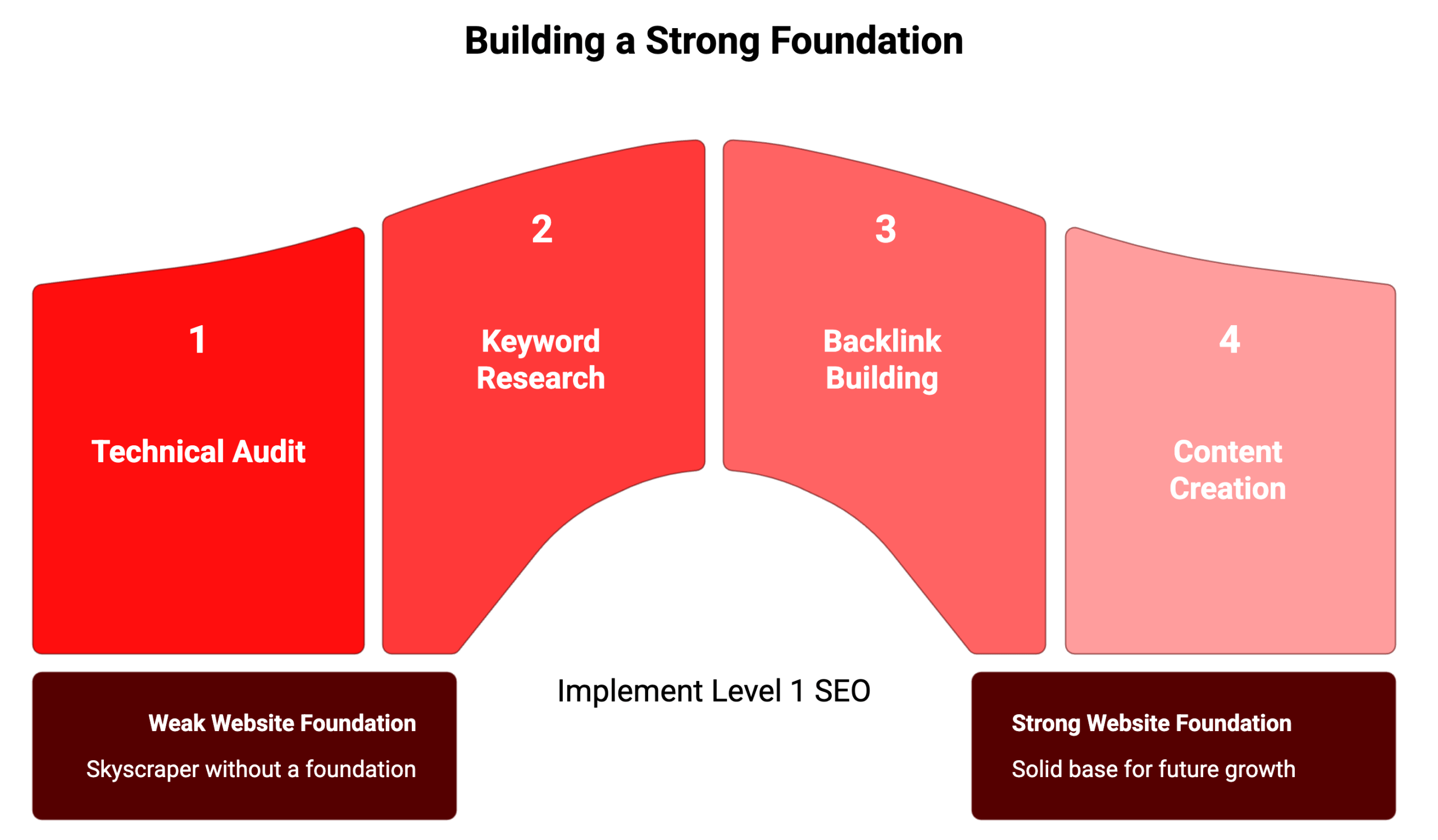
According to Semrush’s 2024 State of Search report, 53% of all website traffic still comes from organic search, making it the highest ROI channel for most businesses.
Remember when we thought Level 1 was the whole game? Turns out it’s just the beginning. But it’s still the foundation everything else is built on.
Level 1 is your website. Keywords, backlinks, technical stuff. It’s unglamorous. It’s not sexy to talk about Core Web Vitals at a dinner party. But here’s why you can’t skip it: your website is the only digital property you actually own.
Social media platforms can change their algorithms overnight. Paid ads cost money to run. But your website? That’s yours. And it’s still where people go when they want to learn more about you.
Level 2: AI Search Optimization (The New Frontier Everyone’s Confused About)
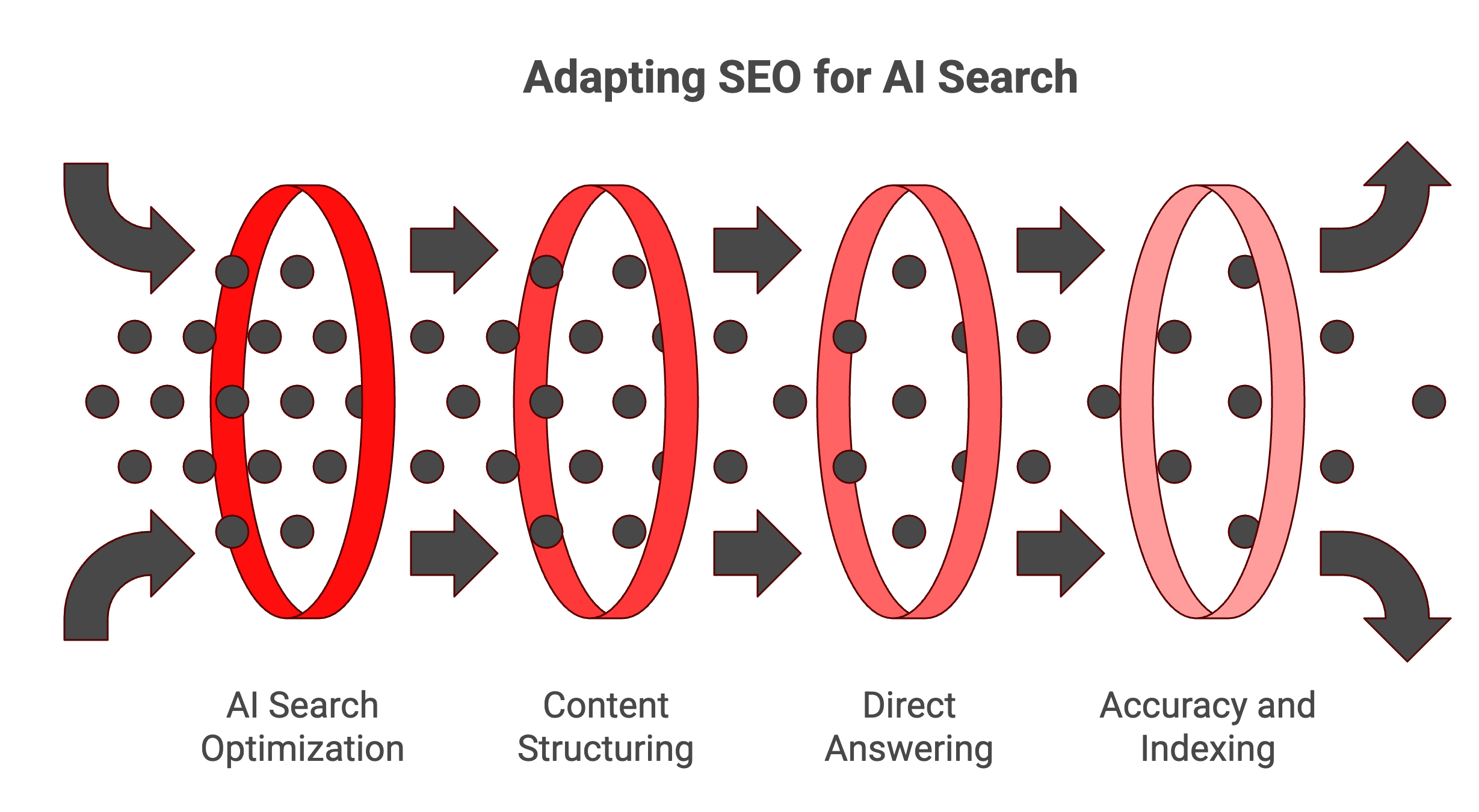
Search Engine Land‘s 2024 study found that AI Overviews now appear in 15% of all Google searches, up from 5% in early 2023.
Here’s what’s happening right now: people are asking questions to ChatGPT, Perplexity, Gemini, and Claude instead of Googling. And when they do Google, they’re getting AI-generated summaries at the top instead of the traditional list of blue links.
When someone asks ChatGPT “best project management tools for remote teams,” they’re not clicking through to a website to compare. ChatGPT gives them an answer synthesized from multiple sources. Your job is to be one of those sources.
Google’s AI Overviews are doing something similar. Google is literally writing the answer itself, pulling from multiple websites. Your article gets cited as a source, but the user gets their answer without necessarily clicking your link.
It’s a different game now. And you need to play it.
Level 3: Paid Search (The Honest Truth About Organic’s Limitations)
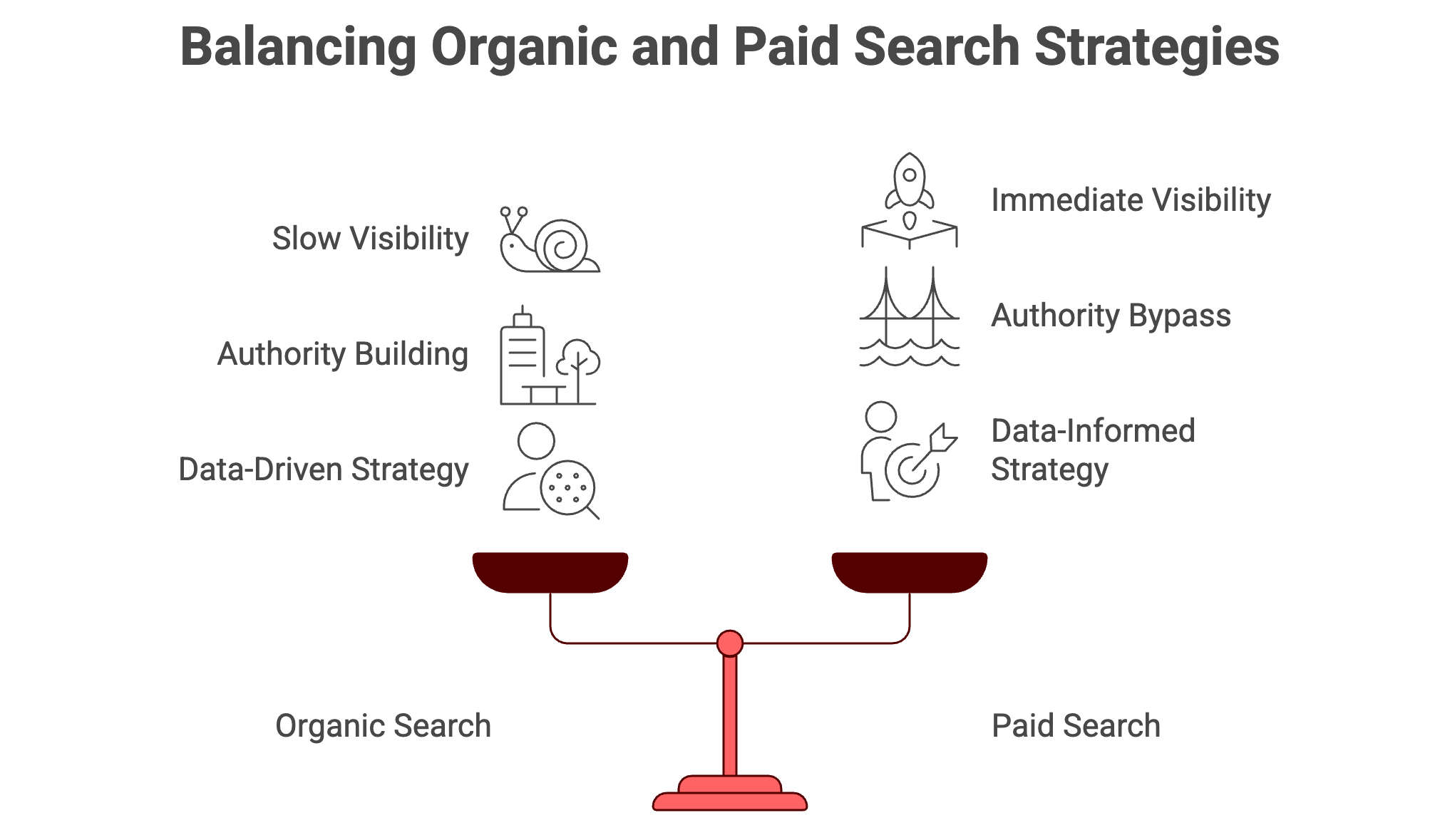
Let’s be real: organic search is competitive. Sometimes your competitors outrank you. It takes time. Building authority takes months.
Paid search fixes that. It’s immediate. While you’re building organic authority, paid search gets you visibility right away.
And here’s the thing digital marketers often miss: paid search and organic search aren’t enemies. They’re friends.
Google’s 2024 Economic Impact Report shows that businesses using both SEO and paid search together see 25% higher conversion rates than those using either alone.
When you run paid search campaigns, you learn which keywords actually convert. Which messages actually resonates. Which landing pages people actually engage with. Then you take that data and inform your organic strategy.
Level 4: LLM Answer SEO (Being the Source Everyone Cites)
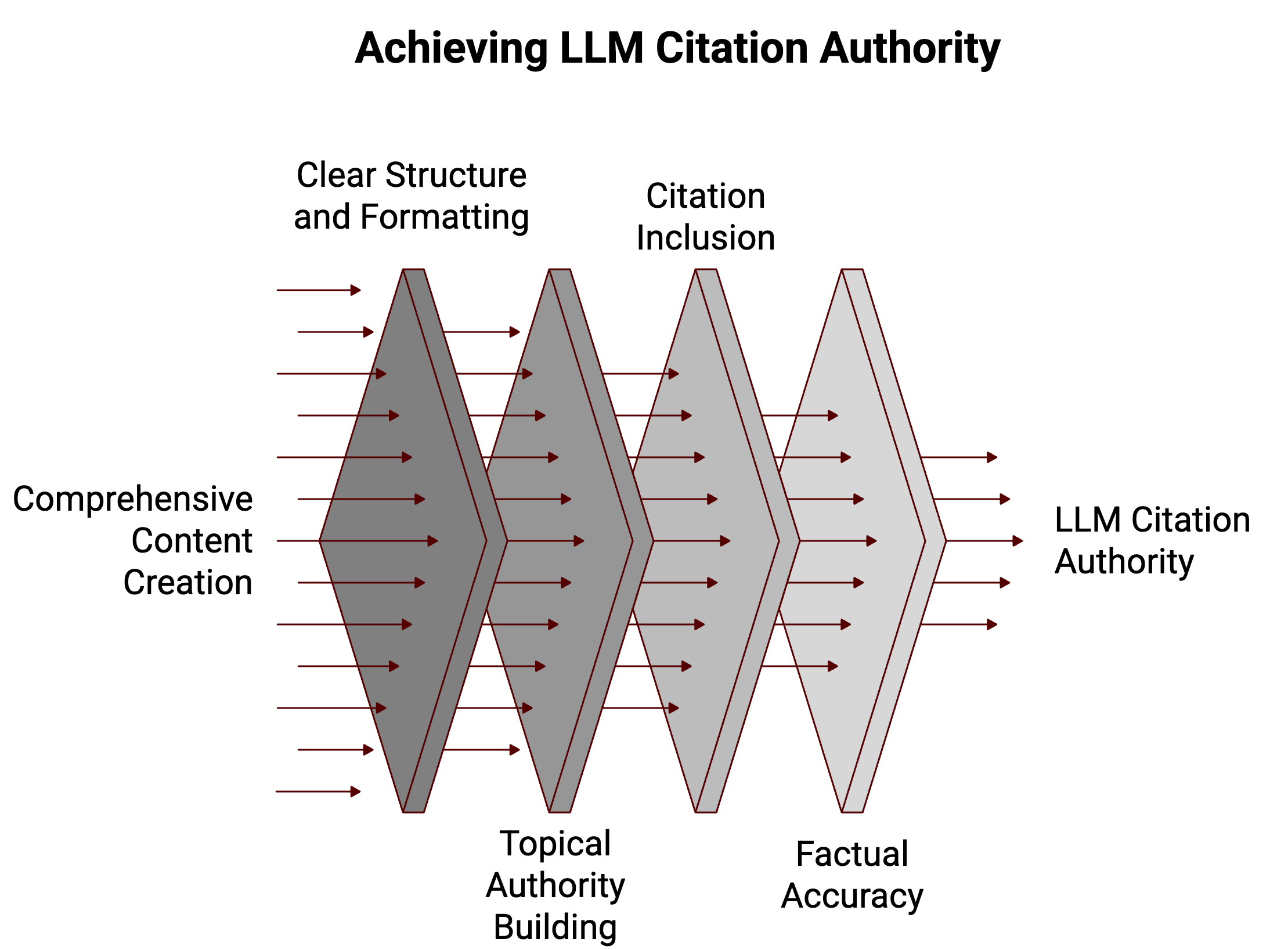
Remember when SEO was about ranking #1 on Google? That was simpler in some ways. Now, with LLM (Large Language Model) search, you’re competing to be cited rather than ranked.
When someone asks Claude to summarize the best marketing automation platforms, Claude doesn’t rank your website. Claude synthesizes information from multiple websites and cites the ones it trusts most.
Your goal? Be the source Claude cites.
Semrush’s SGE Study (2023) found that SGE results cite external sources in ~86% of queries.
This is different from Level 2 (AI Search Optimization). Level 2 is about structuring your content so it’s easy for AI tools to extract and understand. FAQ schema does exactly that.
Level 4 is about becoming a cited source in AI-generated answers. FAQ schema increases your citation likelihood because it hands AI tools clean, structured Q&A pairs they can use directly.
Read this blog published by SEMrush to understand the difference better.
Level 5: Brand Authority SEO (They’re Talking About You, And That Matters)
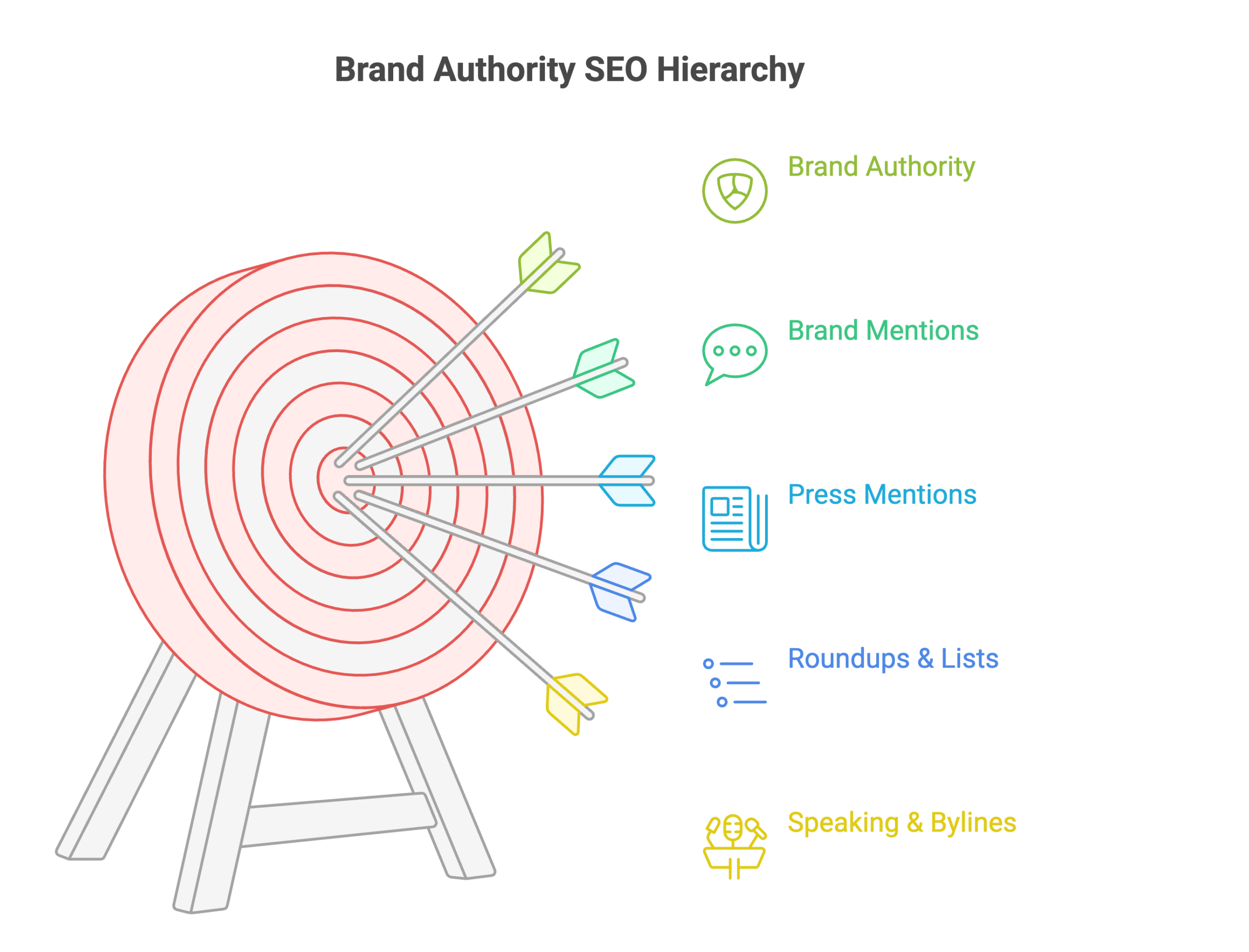
Here’s something that blows marketers’ minds: you don’t need a backlink for a brand mention to count toward your authority.
Someone can write “I use HubSpot for CRM” without linking to HubSpot, and modern search engines still register that as an authority signal. Why? Because it shows people are talking about you.
Moz‘s 2024 Local Search Ranking Factors study shows that branded search volume is now weighted as heavily as backlinks in local rankings.
Level 5 is about being mentioned, featured in roundups, mentioned in media, and generally being part of the conversation in your industry.
Level 6: Community SEO (Where Real Humans Ask Real Questions)
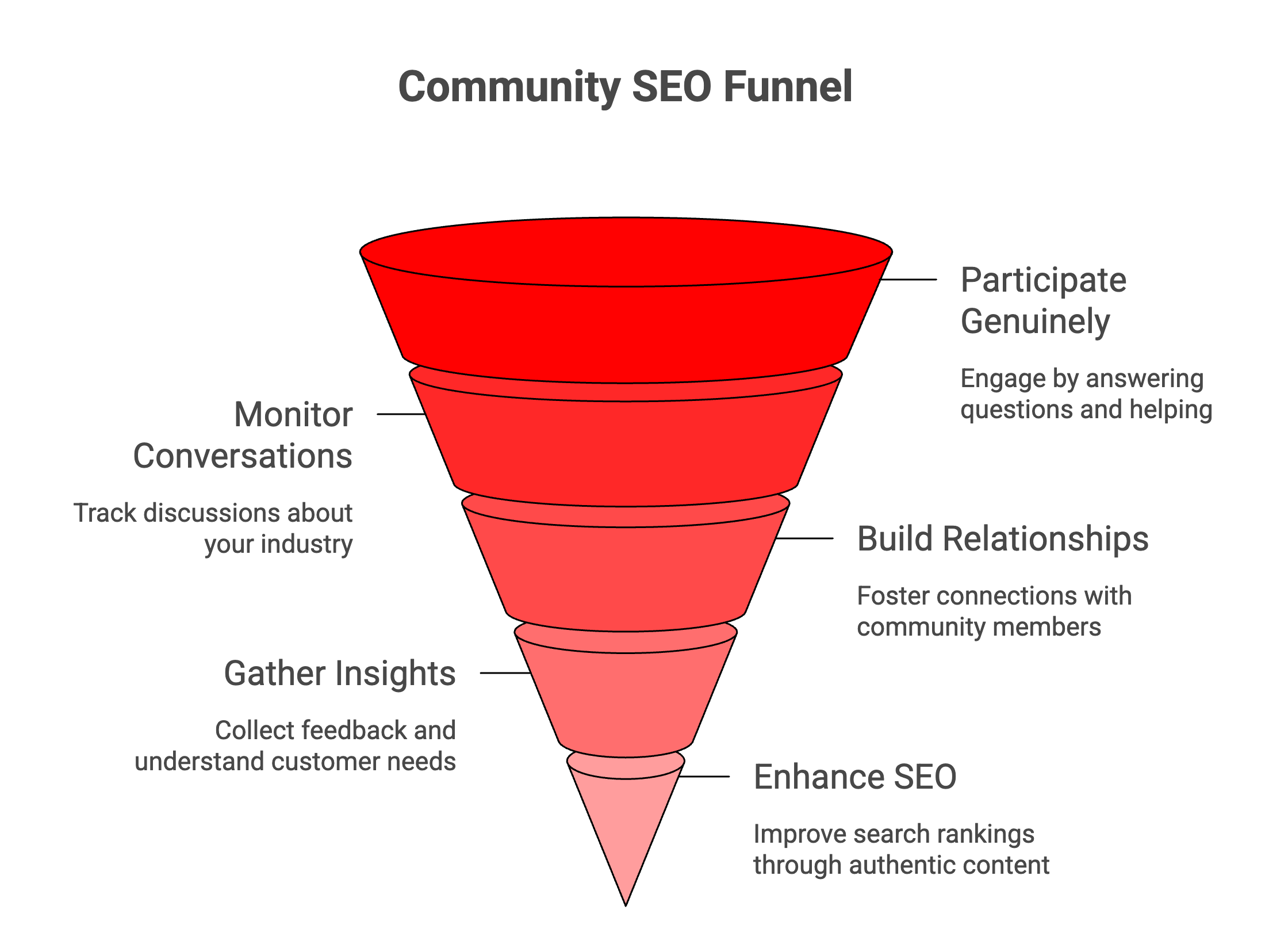
HubSpot’s 2024 Consumer Trends Report found that 71% of B2B buyers consult community forums before making purchase decisions.
Reddit has become where people ask questions they won’t ask Google.
“Is this SaaS tool actually worth it or is the pricing a scam?” You’re finding that answer on Reddit, not on the SaaS company’s website.
Google knows this. Google now pulls Reddit content into search results. Why? Because Reddit is where real people have real conversations. Real, unfiltered opinions. No sales pitch.
Level 7: Parasite SEO (Borrowing Authority From Platforms That Already Have It)
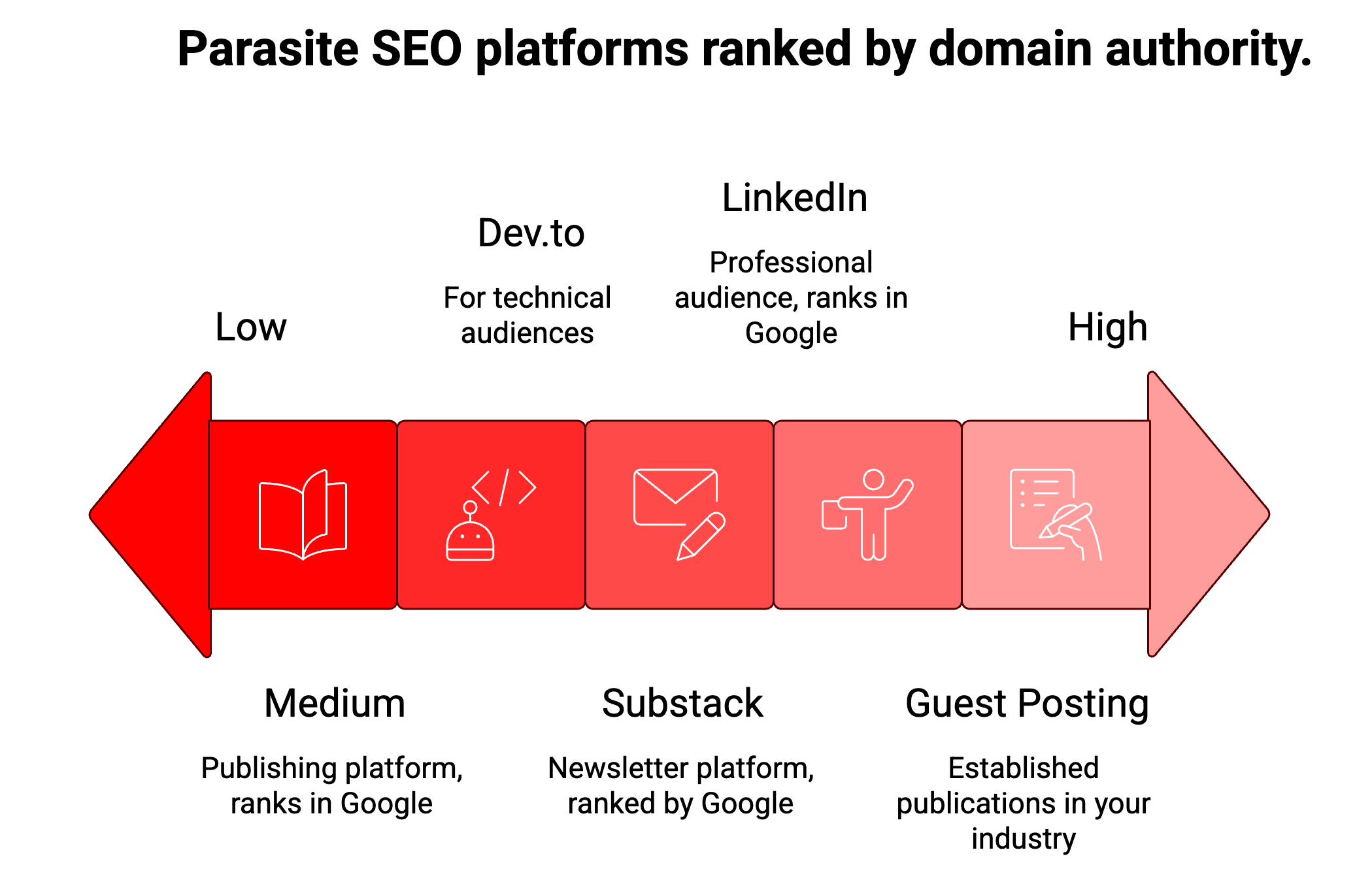
“Parasite SEO” is a funny name but it makes sense: you’re attaching your content to platforms that already have domain authority.
Medium, LinkedIn, Substack, Dev.to – these platforms already rank for tons of keywords. When you publish there, you inherit some of that authority. And people read you both on the platform and in search results.
According to Ahrefs‘ 2024 Content Distribution Study, articles published on LinkedIn receive 67% more impressions in the first 30 days compared to company blogs.
Level 8: Topic Domination (Where It All Comes Together)
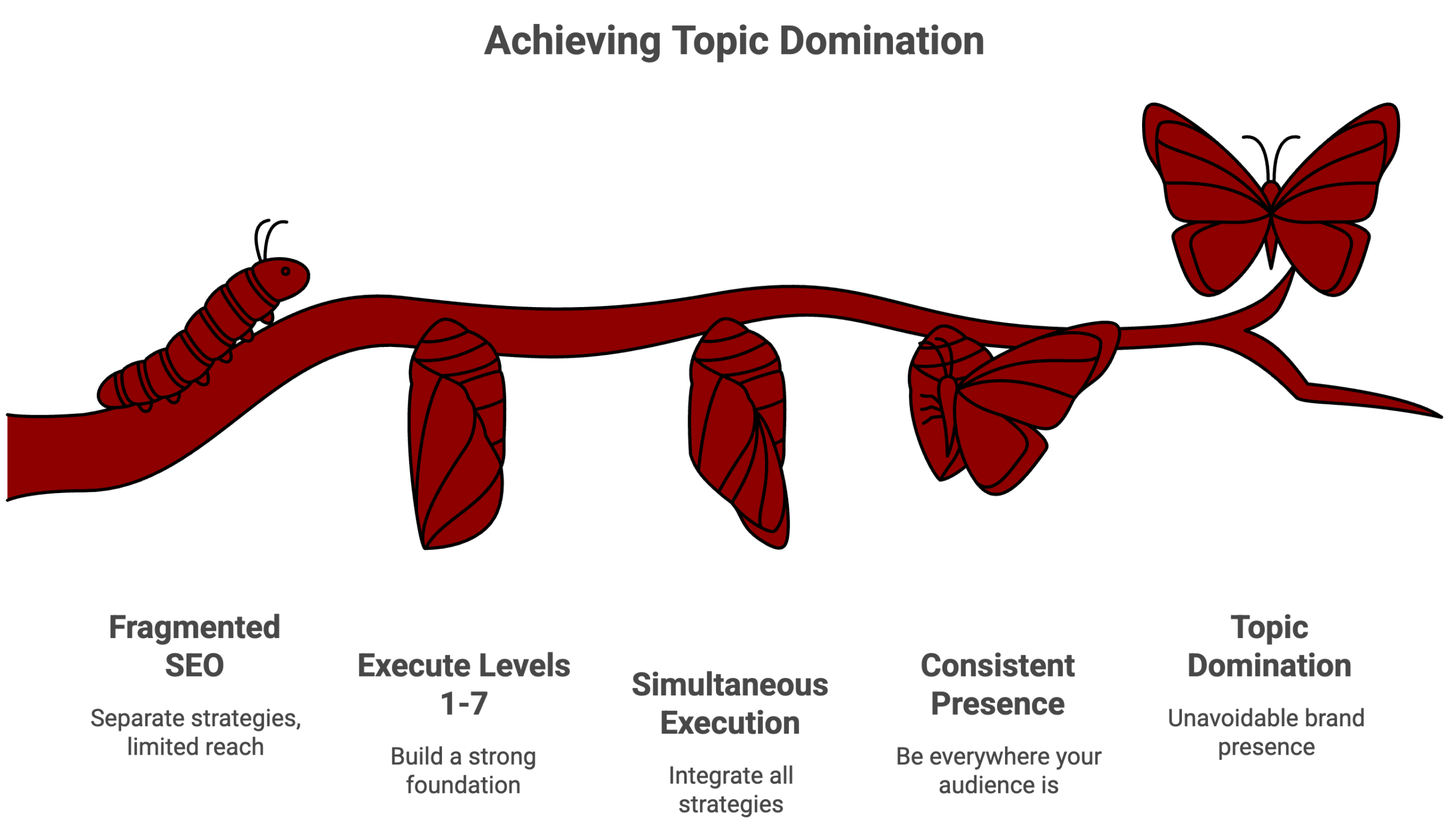
Edelman’s 2024 Trust Barometer shows that consumers need to encounter a brand in 3-4 different contexts before considering them credible.
Levels 1-7 aren’t separate strategies. They’re building blocks toward one goal: topic domination.
Topic domination is when someone searching for your topic anywhere, can’t escape your brand.
They Google it? You rank. They ask ChatGPT? You’re cited. They check Reddit? Your comments are there, helpful and insightful. They scroll LinkedIn? You’re showing up. They check YouTube? You have a video. That’s topic domination.
It doesn’t happen by accident. It takes executing on all seven levels simultaneously. But when you get there, competitors can’t touch you.
SEO Strategy 2026 Implementation
How to Actually Implement This (Without Losing Your Mind)
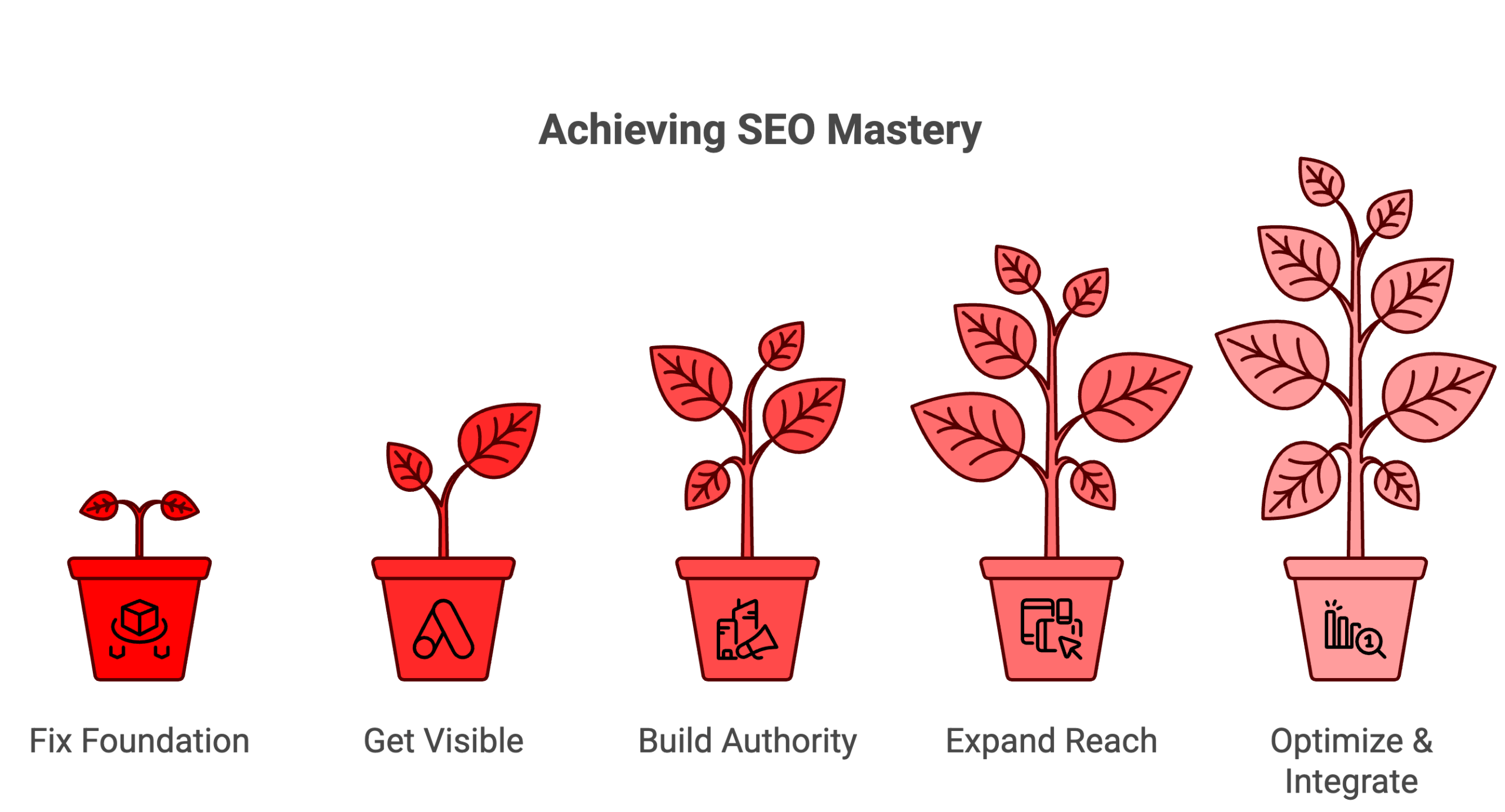
You can’t do all eight levels at once. You’ll burn out. Here’s how to actually implement this without going crazy:
Months 1-3: Fix Your Foundation Focus entirely on Level 1. Make sure your website is solid. Fast, mobile-friendly, actually answers the questions your customers ask. This is non-negotiable.
Months 3-6: Get Visible in Modern Search Add Level 2 (AI optimization) and Level 3 (paid search). Test paid to learn what converts. Optimize existing content for AI extraction.
Months 6-12: Build Authority Add Level 5 (brand mentions) and Level 6 (community). Start pitching to media. Start participating in relevant communities. Build relationships.
Months 12-18: Expand Your Reach Add Level 7 (parasite SEO). Start publishing on Medium, LinkedIn, Substack. Guest post on publications your customers read.
Months 18+: Optimize and Integrate Layer in Level 4 (LLM optimization). Connect metrics across all channels. Stop thinking of these as separate strategies and start thinking of them as one integrated effort.
Client Snapshot
Toronto-based B2B SaaS company providing project management software for remote teams. The objective was to increase organic visibility, reduce paid dependency, and dominate multi-platform search.
Industry
B2B SaaS
Market
Canada & US
Starting Traffic
4,200/month
Engagement Goal
Authority + Conversion Lift
Search Everywhere Optimization Execution
| Level | Strategy Focus | Key Actions | Performance Result | Timeline |
|---|---|---|---|---|
| Level 1 | Traditional SEO | Technical audit, site speed optimization (4.2s → 1.6s), authority backlinks | +48% Organic Traffic | 90 Days |
| Level 2 | AI Search Optimization | Structured content, FAQ schema, comparison pages | 7 AI Overview Placements | 120 Days |
| Level 3 | Paid Search | High-intent keyword campaigns, A/B testing ads | -28% Cost Per Lead | 60 Days |
| Level 4 | LLM Citation | Deep topical authority content | 15+ AI Citations | 6–9 Months |
| Level 5 | Brand Authority | Industry mentions, expert positioning | +280% Brand Searches | 6–12 Months |
| Level 6 | Community SEO | Reddit engagement, Slack communities | 5.8% Conversion Rate | 6 Months |
| Level 7 | Platform Authority | LinkedIn + Medium thought leadership | +31% Direct Traffic | 6–9 Months |
| Level 8 | Topic Domination | Integrated cross-platform visibility | +118% Organic Revenue | 12 Months |
Before vs After (12 Months)
| Metric | Before | After | Growth |
|---|---|---|---|
| Monthly Organic Traffic | 4,200 | 9,850 | +134% |
| Brand Search Volume | 300 | 1,140 | +280% |
| Conversion Rate | 1.9% | 4.2% | +121% |
| AI Mentions | 0 | 15+ | New Visibility |
| Revenue from Organic | Baseline | +118% | +118% |
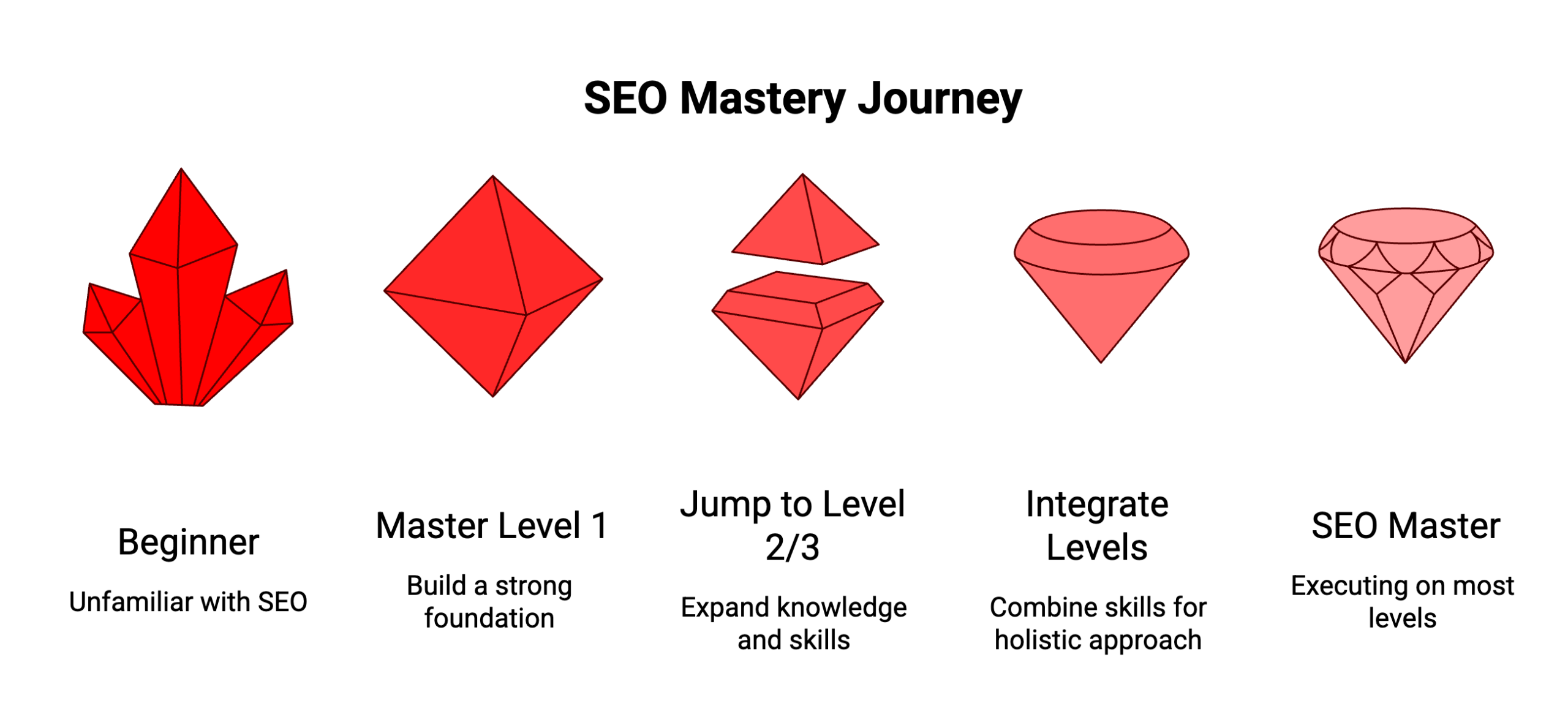
Don’t try to do everything. Pick one level below your current level and master it.
If you haven’t done Level 1, do that first.
If Level 1 is solid, jump into Level 2 or 3.
Once you have 3-4 levels humming, integrate them.
In 12 months, you should be executing on most levels. In 24 months, you should be approaching topic domination.
That’s the new SEO game. It’s more work than the old SEO game. But it’s also more rewarding because it’s more connected to real humans, real conversations, and real results.
Stop playing by last decade’s rules. Start climbing the levels.
